Page 95 of the Delta-V spaceflight news feed opens with “Artemis II set for return to Earth after historic 10-day mission around the Moon”, published by NASASpaceflight 4 months ago. Delta-V aggregates spaceflight news from 9 outlets including Arstechnica, ESA, European Spaceflight through the Spaceflight News API, ordered newest first and refreshed every thirty minutes, with every headline linking out to the outlet that reported it. This view holds 35,904 stories.
Nothing here is written by Delta-V. Each card carries the publisher's own headline, their own summary and a link out to their site — attribution stays attached, and the click goes to the people who did the reporting.
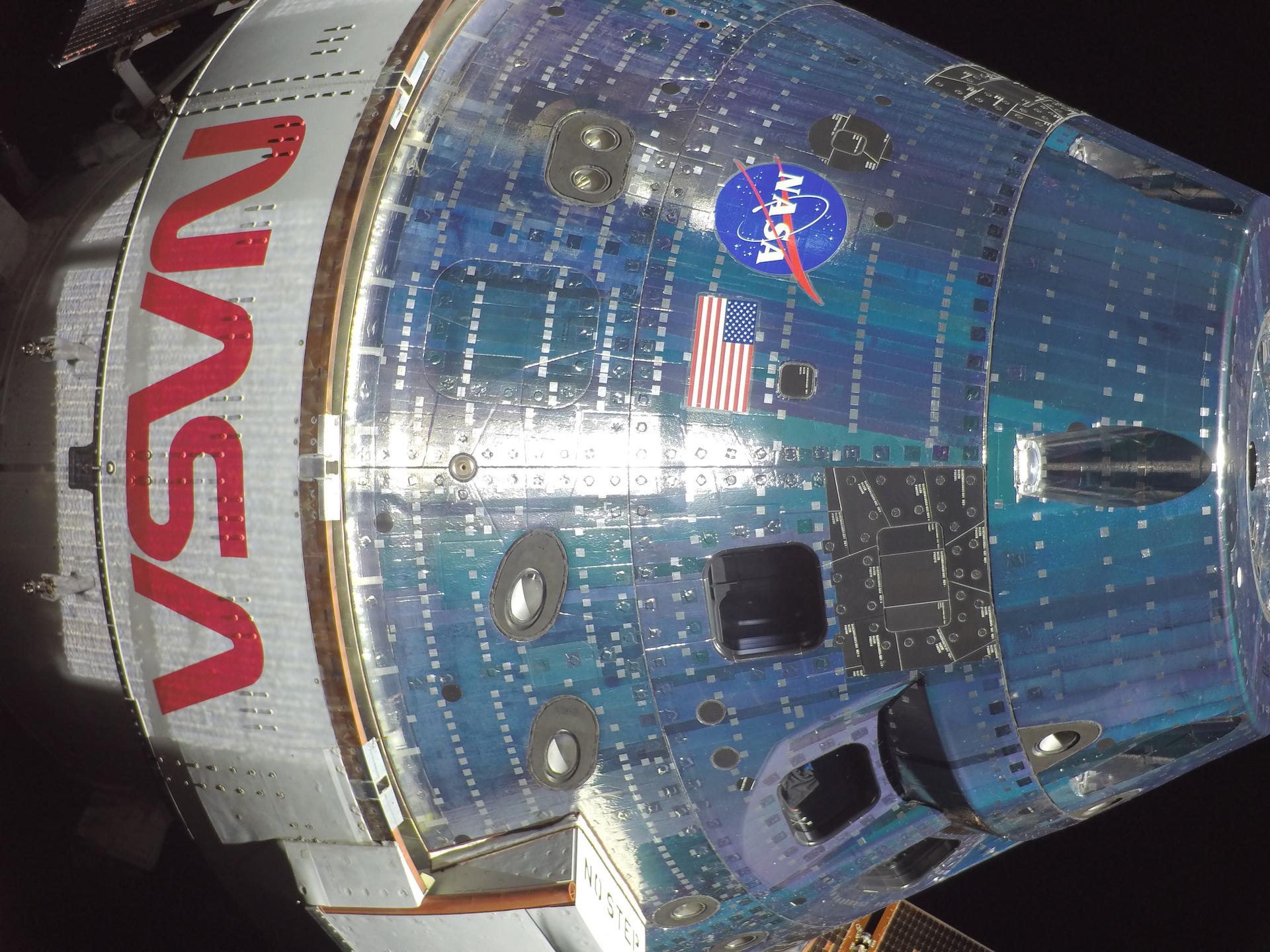
After 10 days, over 800,000 km traveled, and a historic flyby of the Moon, Artemis…
The post Artemis II set for return to Earth after historic 10-day mission around the Moon appeared first on NASASpaceFlight.com.
Reported and summarised by NASASpaceflight. Opens in a new tab.
Paris, April 2026 – GSOA and Novaspace announce the inaugural edition of the Space Industry Forum (SIF), a new flagship event co-organized by both organizations, taking place on May 19, 2026, at The Fullerton Hotel in Singapore. […]
The post GSOA and Novaspace Launch the Space Industry Forum (SIF) 2026 in Singapore appeared first on SpaceNews.
Reported and summarised by SpaceNews. Opens in a new tab.
A budget proposal for the Department of Commerce raises new doubts about the future of a civil space traffic management system under development there.
The post Commerce Department budget proposal revives concerns about TraCSS appeared first on SpaceNews.
Reported and summarised by SpaceNews. Opens in a new tab.
China’s multi-element Chang’e-7 lunar spacecraft has arrived at Wenchang spaceport for launch preparations ahead of a planned liftoff in the second half of 2026.
The post China’s Chang’e-7 arrives at spaceport for lunar south pole exploration mission appeared first on SpaceNews.
Reported and summarised by SpaceNews. Opens in a new tab.
The Artemis 2 mission is set for a final, fiery test when the spacecraft reenters April 10 ahead of a splashdown off the California coast.
The post NASA prepares for Artemis 2 return appeared first on SpaceNews.
Reported and summarised by SpaceNews. Opens in a new tab.
Registration is open for Industry Space Days 2026 at the European Space Agency’s (ESA) technical centre in Noordwijk, The Netherlands, on 16–17 September.
Reported and summarised by ESA. Opens in a new tab.
The European Space Agency has achieved a European first with Celeste, successfully transmitting a navigation signal from low Earth orbit, following the launch of the mission’s first satellites on March 28.
Reported and summarised by ESA. Opens in a new tab.
After a groundbreaking 10-day mission that carried humans farther from Earth than ever before, the…
The post Artemis II closing in on Earth return appeared first on NASASpaceFlight.com.
Reported and summarised by NASASpaceflight. Opens in a new tab.
The crew of Artemis II is busy configuring the Orion capsule for reentry tomorrow, with splashdown off the coast of San Diego at 8:07 pm ET. NASA Associate Administrator Amit […]
Reported and summarised by SpacePolicyOnline.com. Opens in a new tab.
Today, at 17:07 local time on 10 April (01:07 BST/02:07 CEST 11 April), NASA’s Orion spacecraft and its crew splashed down safely in the Pacific Ocean, marking the end of the Artemis II mission. ESA’s European Service Module powered this historic mission that took four astronauts around the Moon and back for the first time since Apollo 17 in 1972.
Reported and summarised by ESA. Opens in a new tab.
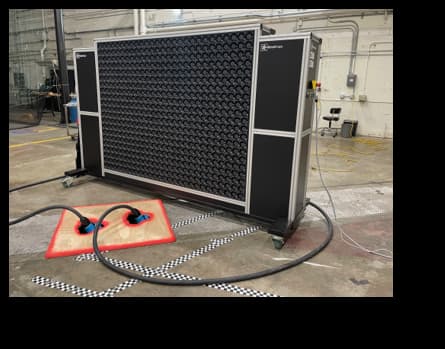
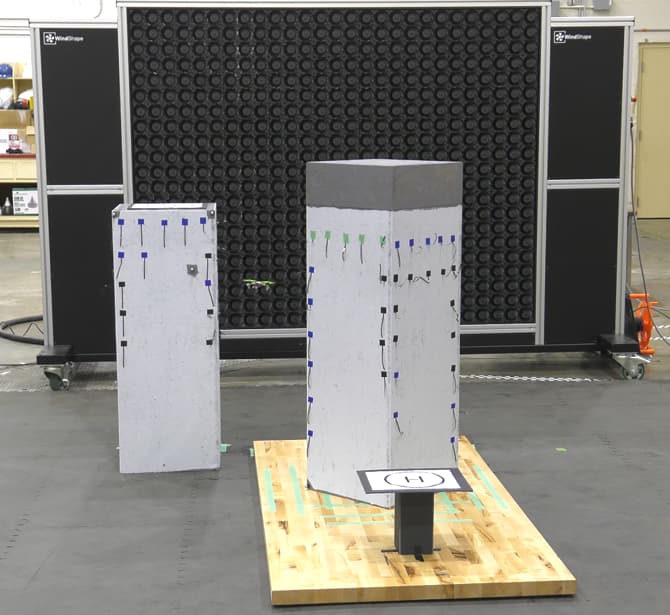
Windshaper A large WindShaper fan array is available for dynamic low-speed and hovering flight research. The WindShaper is ideal for generating arbitrary wind gradients and wind gusts via a simple Python API. A companion WindProbe is also available for quick surveys of flows. The WindProbe utilizes the lab’s OptiTrack motion capture system to extract the […]
Reported and summarised by NASA. Opens in a new tab.
Windshaper A large WindShaper fan array is available for dynamic low-speed and hovering flight research. The WindShaper is ideal for generating arbitrary wind gradients and wind gusts via a simple Python API. A companion WindProbe is also available for quick surveys of flows. The WindProbe utilizes the lab’s OptiTrack motion capture system to extract the […]
Reported and summarised by NASA. Opens in a new tab.
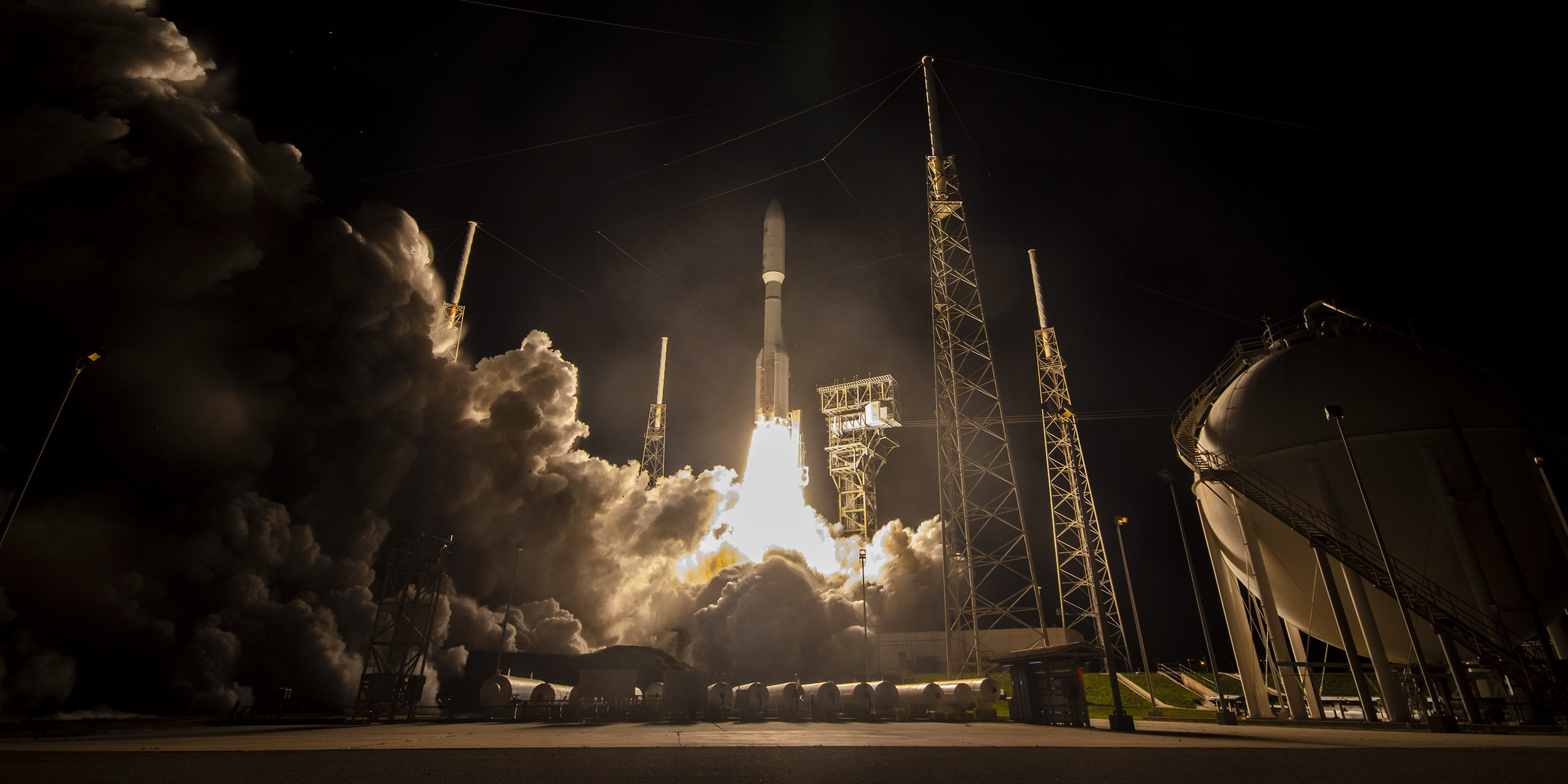
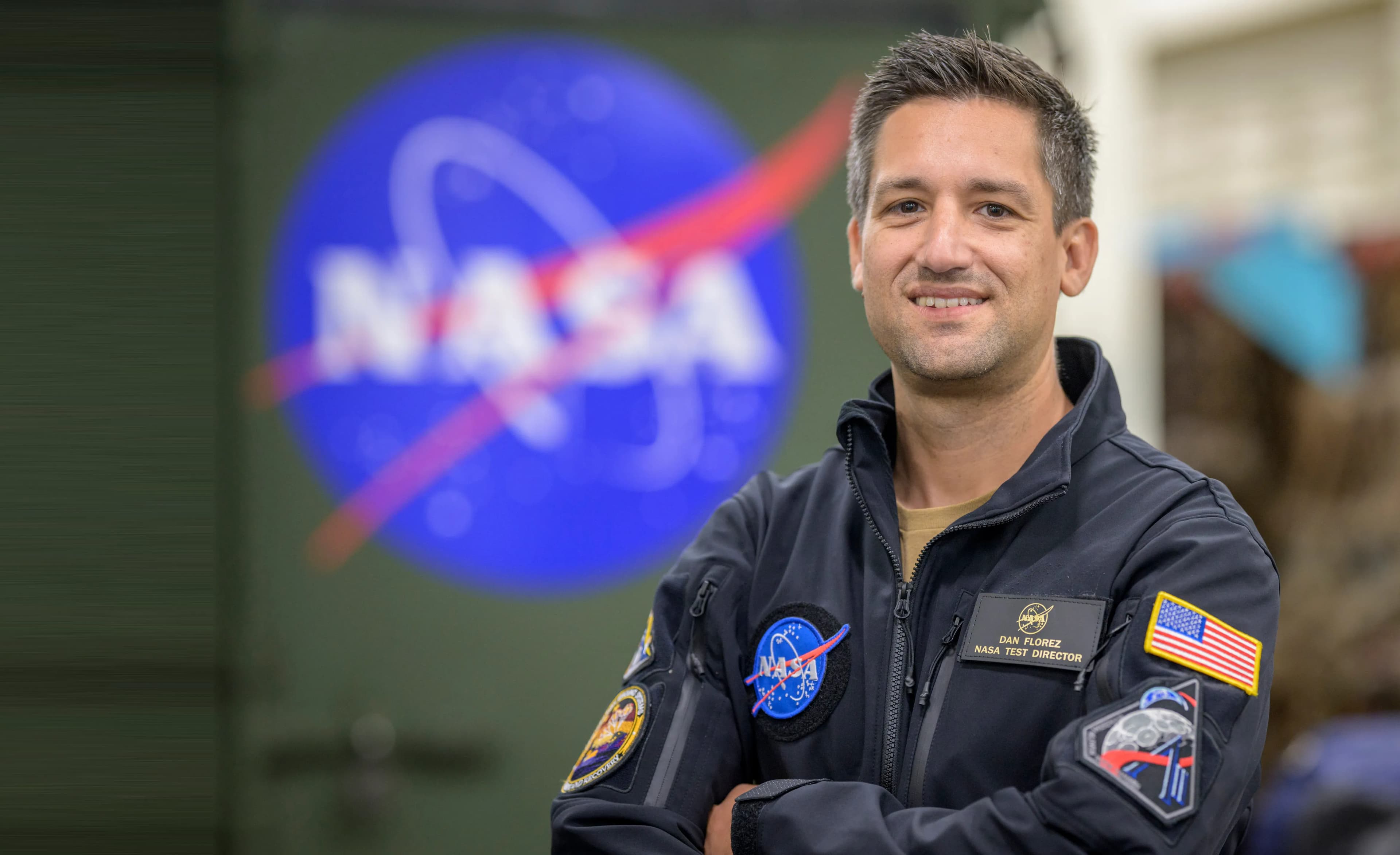
Listen to this audio excerpt from Dan Florez, test director for NASA’s Exploration Ground Systems Program: At 1:47 a.m. EST November 16, 2022, as the Artemis I engines ignited, NASA astronaut Reid Wiseman and Dan Florez, NASA test director for the agency’s Exploration Ground Systems, watched from Kennedy’s Launch Control Center roof as the midnight […]
Reported and summarised by NASA. Opens in a new tab.
WindShaper A large WindShaper fan array is available for dynamic low-speed and hovering flight research. The WindShaper is ideal for generating arbitrary wind gradients and wind gusts via a simple Python API. A companion WindProbe is also available for quick surveys of flows. The WindProbe utilizes the lab’s OptiTrack motion capture system to extract the […]
Reported and summarised by NASA. Opens in a new tab.
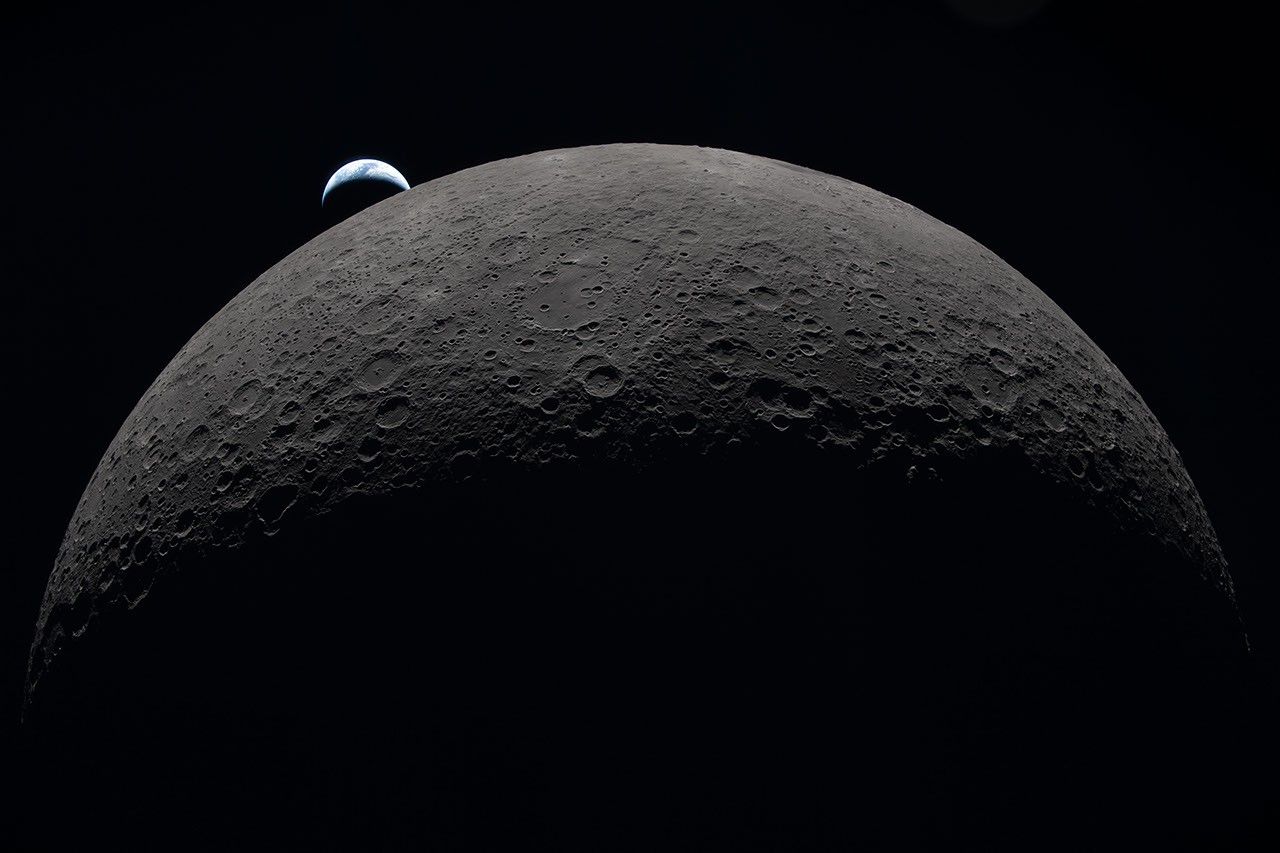
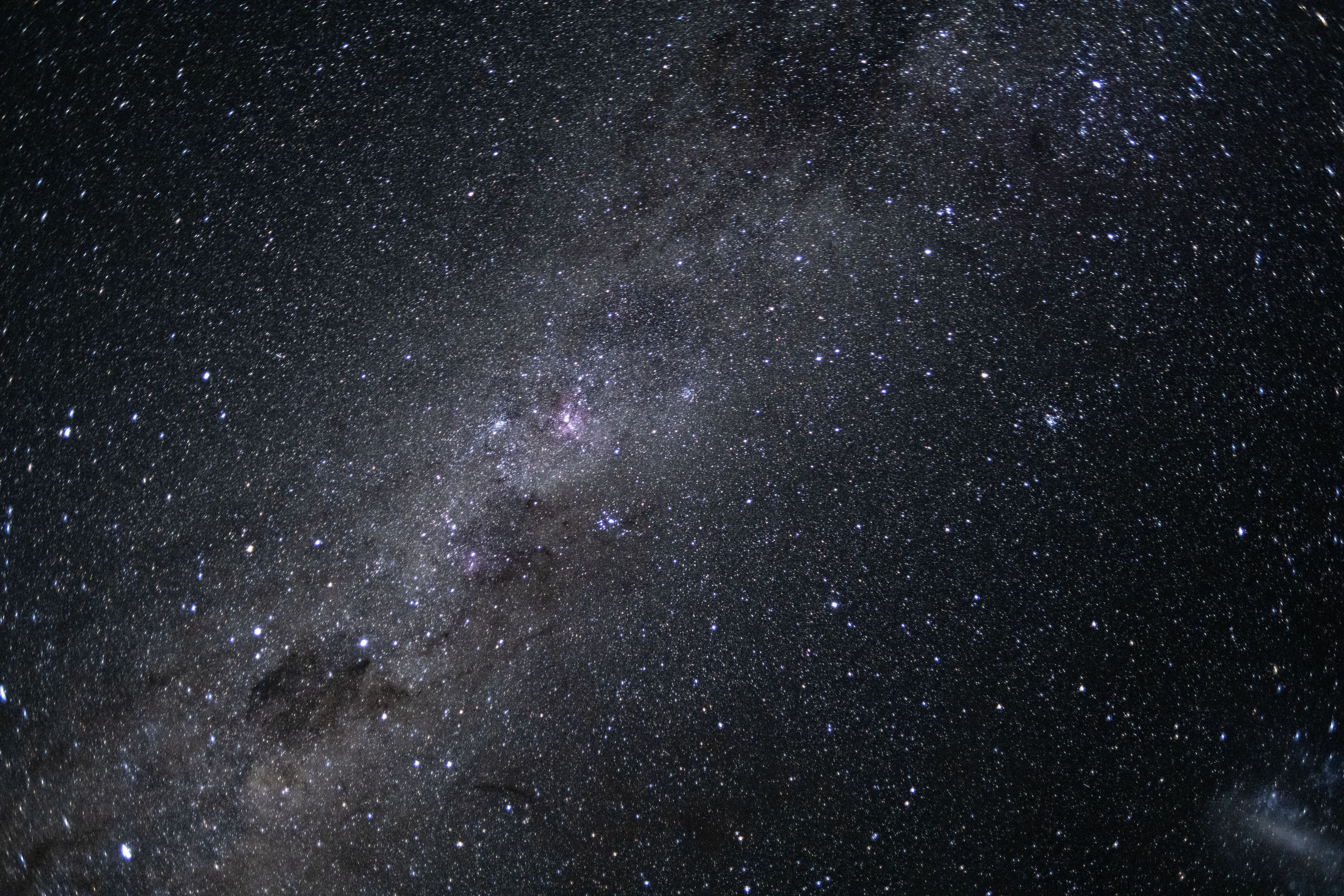
The Artemis II crew captured this photo of our galaxy, the Milky Way, on April 7, 2026. The Milky Way’s elegant spiral structure is dominated by just two arms wrapping off the ends of a central bar of stars. Spanning more than 100,000 light-years, Earth is located along one of the galaxy’s spiral arms, about […]
Reported and summarised by NASA. Opens in a new tab.
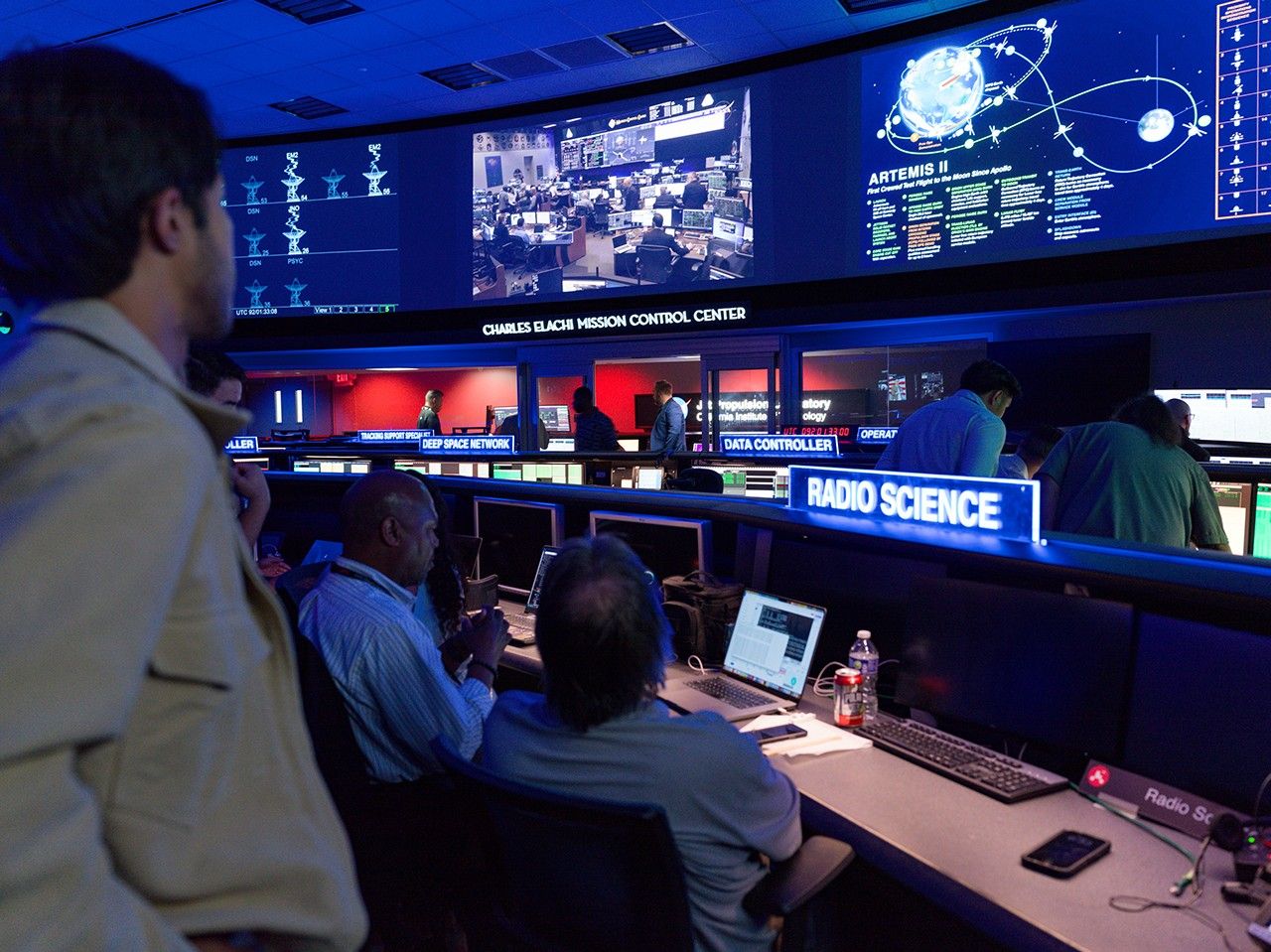
Description Staff at NASA’s Jet Propulsion Laboratory in Southern California watch the agency’s Artemis II mission unfold soon after launch on April 1, 2026, at the Space Flight Operations Facility, which operates the Deep Space Network (DSN). The DSN comprises of three complexes in Goldstone, California; Madrid, Spain; and Canberra, Australia. Each complex has several […]
Reported and summarised by NASA. Opens in a new tab.
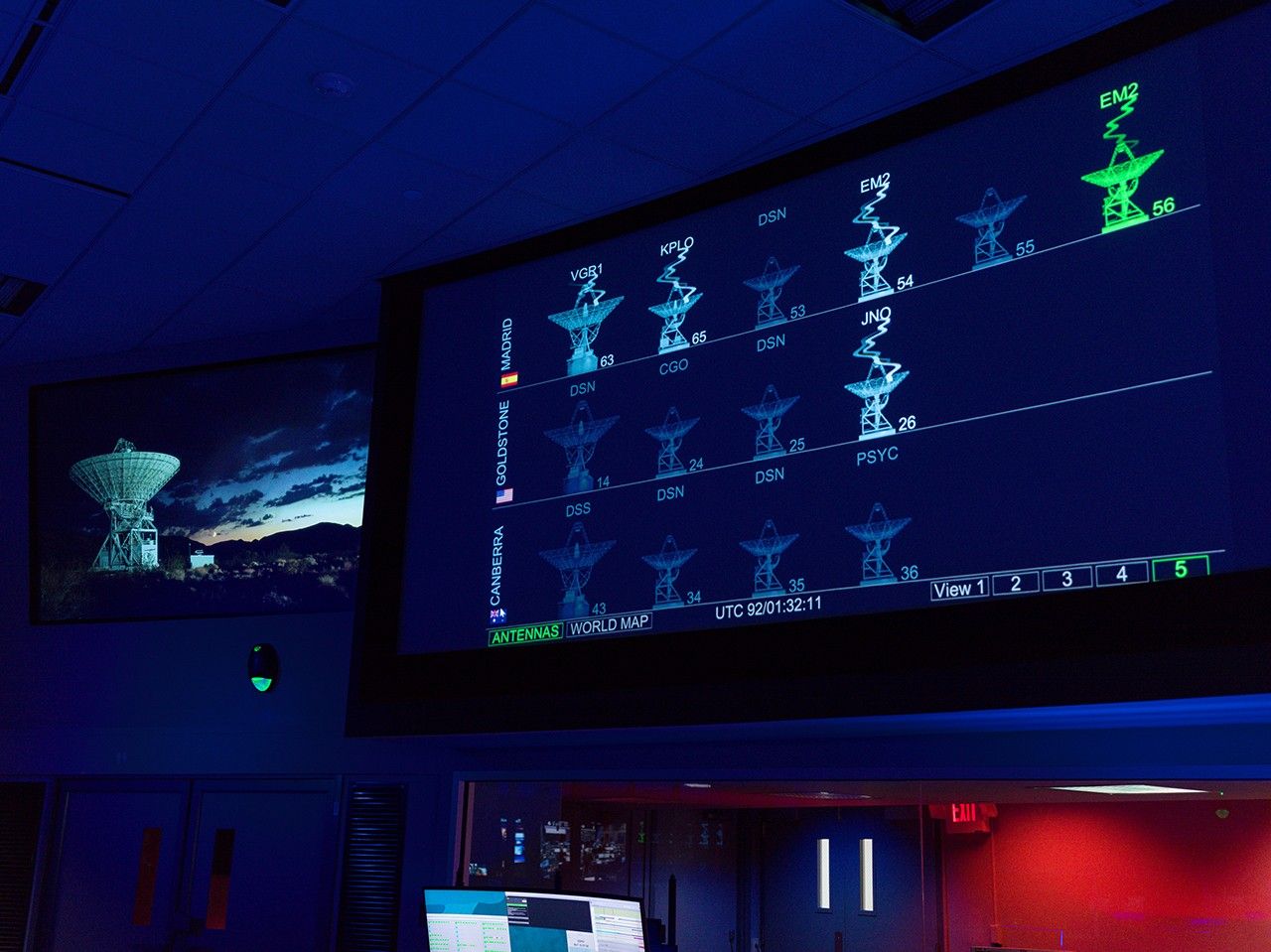
Description A graphical representation of the Deep Space Network’s radio frequency antennas indicate signal acquisition from NASA’s Artemis II mission to the Moon on April 1, 2026, inside the Space Flight Operations Facility at NASA’s Jet Propulsion Laboratory in Southern California. Two antennas at the Madrid Deep Space Communications Complex, Deep Space Station 54 and […]
Reported and summarised by NASA. Opens in a new tab.
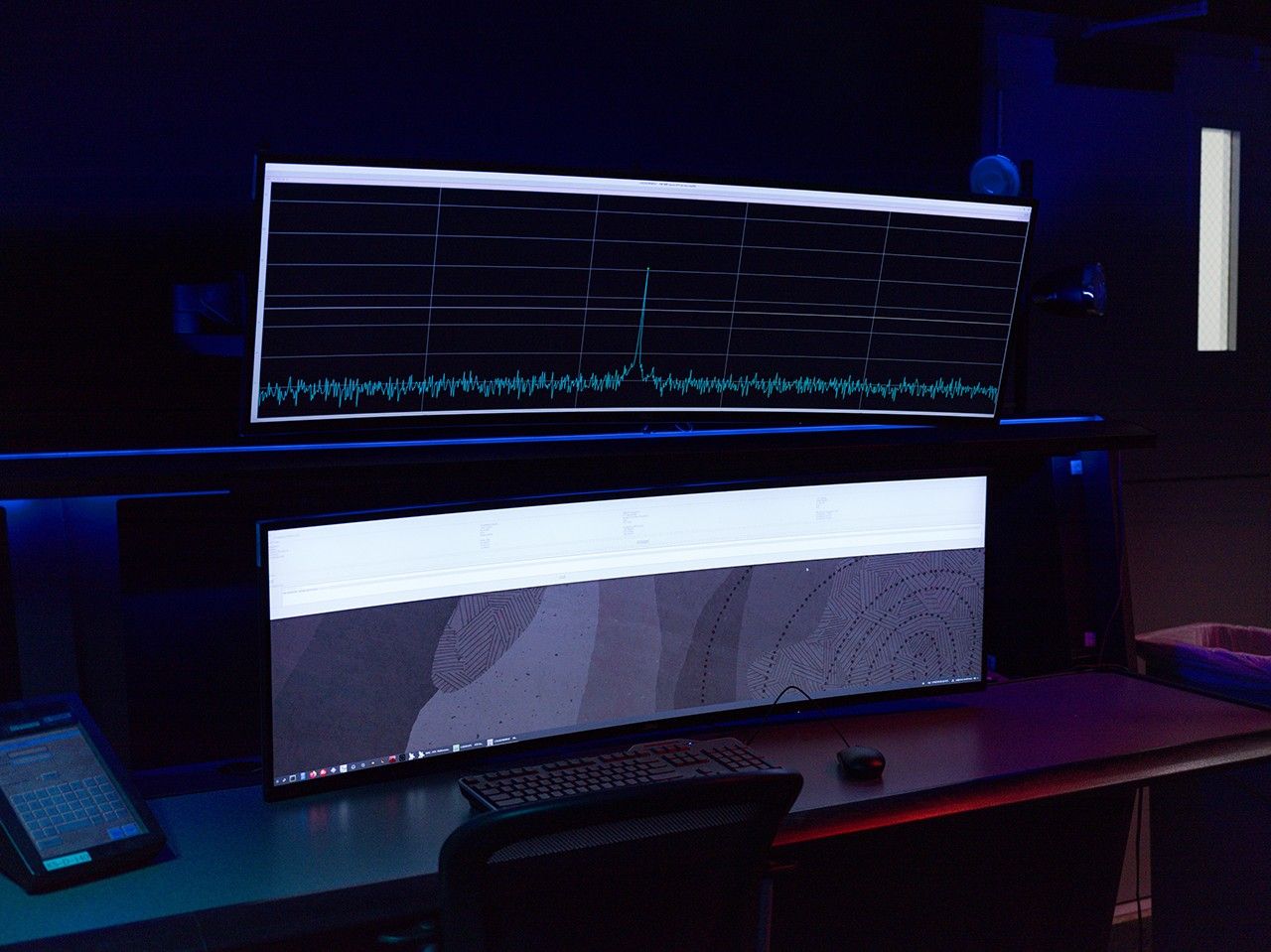
Description The acquisition of the radio frequency signal from the Artemis II crewed mission to the Moon by NASA’s Deep Space Network (DSN) is indicated by the peak in the data signal shown on the top computer screen. Soon after the mission’s launch on April 1, 2026, at 6:35 p.m. EDT, NASA’s Near Space Network […]
Reported and summarised by NASA. Opens in a new tab.
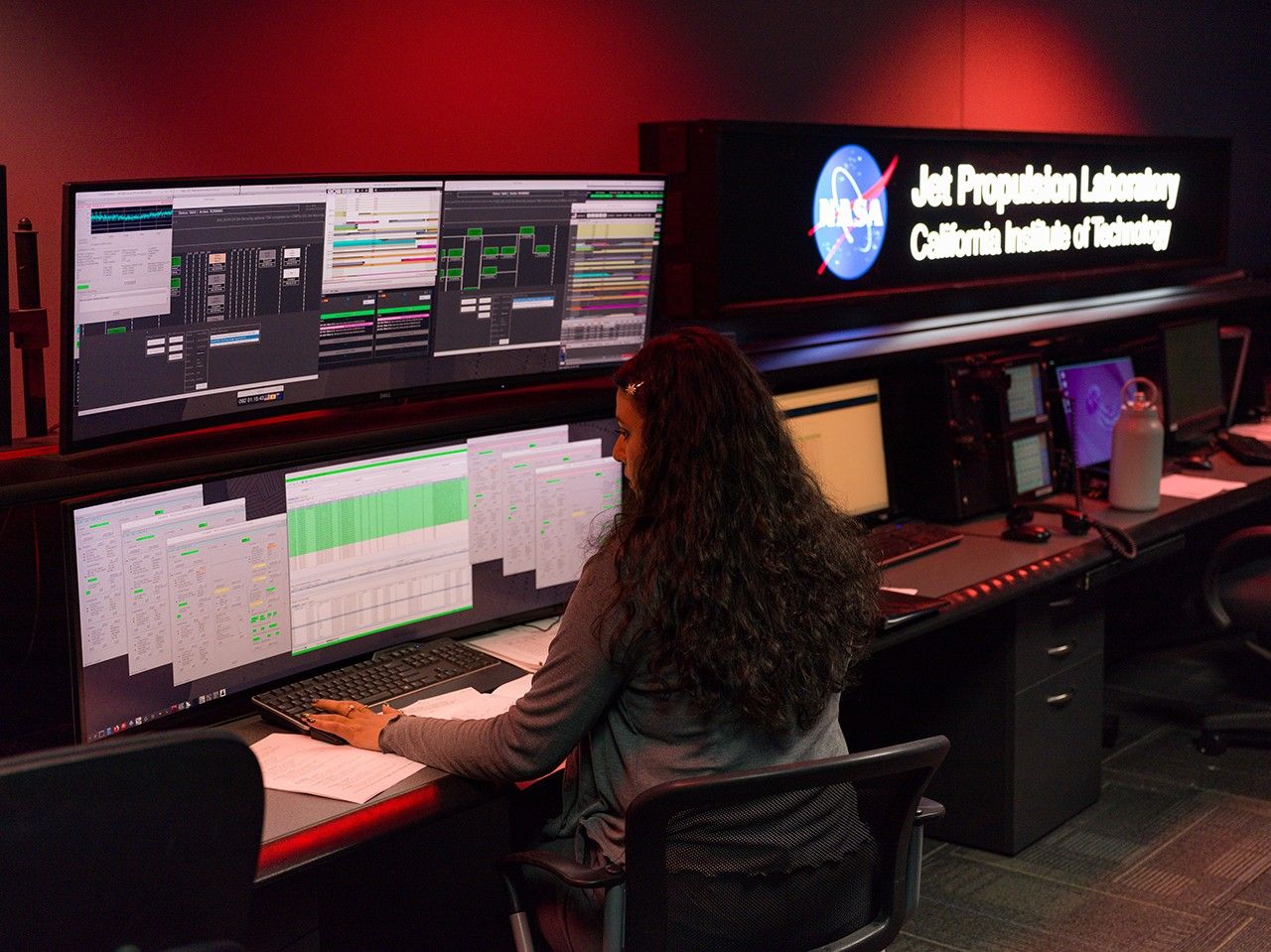
Description Blanca Renteria, Artemis Deep Space Network (DSN) operations chief, monitors data at the Space Flight Operations Facility at NASA’s Jet Propulsion Laboratory in Southern California shortly after Artemis II launched from the agency’s Kennedy Space Flight Center in Florida on April 1, 2026, at 6:35 p.m. EDT. The Space Flight Operations Facility operates the […]
Reported and summarised by NASA. Opens in a new tab.
COMMS UPLINK
SYS-07/MAIL
STANDING BY
One dispatch a week: what flew, what slipped, and anything worth setting an alarm for.
Written by a person, sent from the same console that runs this site.
No spam. We never sell the list. Unsubscribe from any email.
Feed documentation
DOC-NEWS
REFERENCE
Where does this space news come from?
Every story on the Delta-V news feed is written and published by an outside outlet — SpaceNews, NASASpaceflight, Space.com, ESA, Ars Technica and dozens more — and reaches the page through the Spaceflight News API. Delta-V displays the publisher's own headline, thumbnail and summary, then links straight to their site. Delta-V does not host, rewrite or republish article text.
How often is the spaceflight news feed updated?
The feed is re-fetched every thirty minutes and always ordered newest first, so a story normally appears on Delta-V within an hour of the publisher posting it. Each card shows how long ago its story was filed, and hovering the timestamp gives the exact publication time in UTC.
Can I filter space news by outlet or search for a topic?
Yes. The source chips above the feed narrow it to a single outlet, and the search box matches text in headlines and summaries. Both controls write to the URL — /news?source=SpaceNews or /news?q=starship — so a filtered feed can be bookmarked, shared or reopened from browser history.
Do these articles open on Delta-V or on the publisher's site?
Every headline opens the publisher's own page in a new tab. Delta-V is an index, not a mirror: the reporting, the images and the ad revenue belong to the outlet that produced the story.
Where do I find launch dates rather than news?
Launch schedules live on the Delta-V launch pages, which carry a live countdown, pad, vehicle and mission detail for every upcoming orbital flight. The news feed covers reporting about spaceflight; the launch schedule covers the flights themselves.
Between headlines: Delta-V is a gravity-flight sim about the orbital mechanics behind them — free on Android.GET IT ON GOOGLE PLAY — FREE
Aggregation and metadata via the Spaceflight News API. Copyright in every headline, image and summary remains with the publishing outlet.