Page 23 of the Delta-V spaceflight news feed opens with “Curiosity Blog, Sols 4988-4994: More New Tricks for an Old Dog”, published by NASA 1 month ago. Delta-V aggregates spaceflight news from 8 outlets including Arstechnica, ESA, European Spaceflight through the Spaceflight News API, ordered newest first and refreshed every thirty minutes, with every headline linking out to the outlet that reported it. This view holds 36,465 stories.
Nothing here is written by Delta-V. Each card carries the publisher's own headline, their own summary and a link out to their site — attribution stays attached, and the click goes to the people who did the reporting.
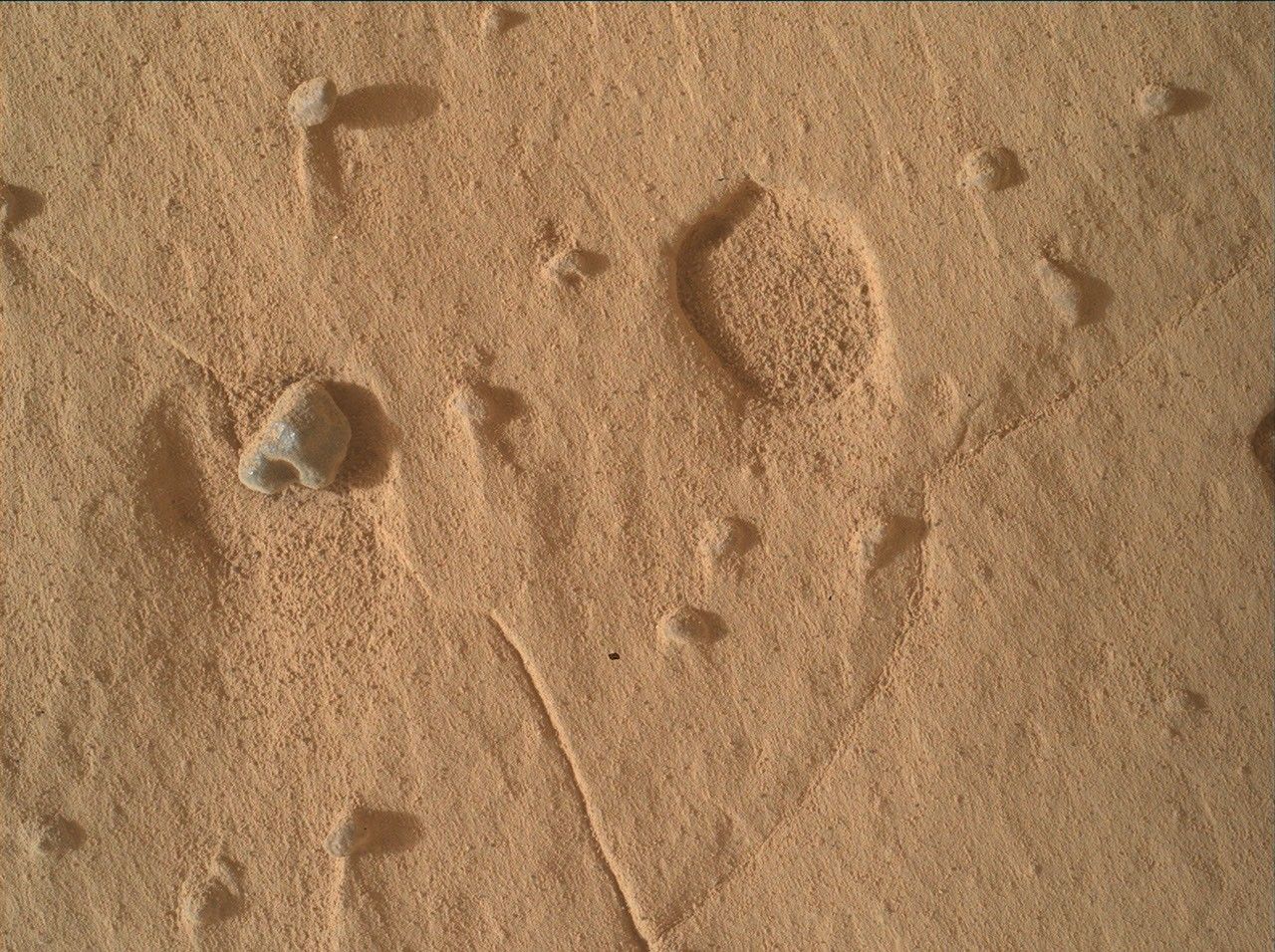
Written by Michelle Minitti, MAHLI Deputy Principal Investigator Earth planning date: Friday, Aug. 21, 2026 After Curiosity’s 14 years on the surface, Mars continues to surprise. Both of our workspaces this week contained features unlike quite anything we have seen in the past — broad, shallow pits (like the one in the image above) dotted […]
Reported and summarised by NASA. Opens in a new tab.
Watch the replay of the livestream originally broadcast on 3 September as ESA/JAXA's BepiColombo mission took the first critical step towards arriving at Mercury.
Reported and summarised by ESA. Opens in a new tab.
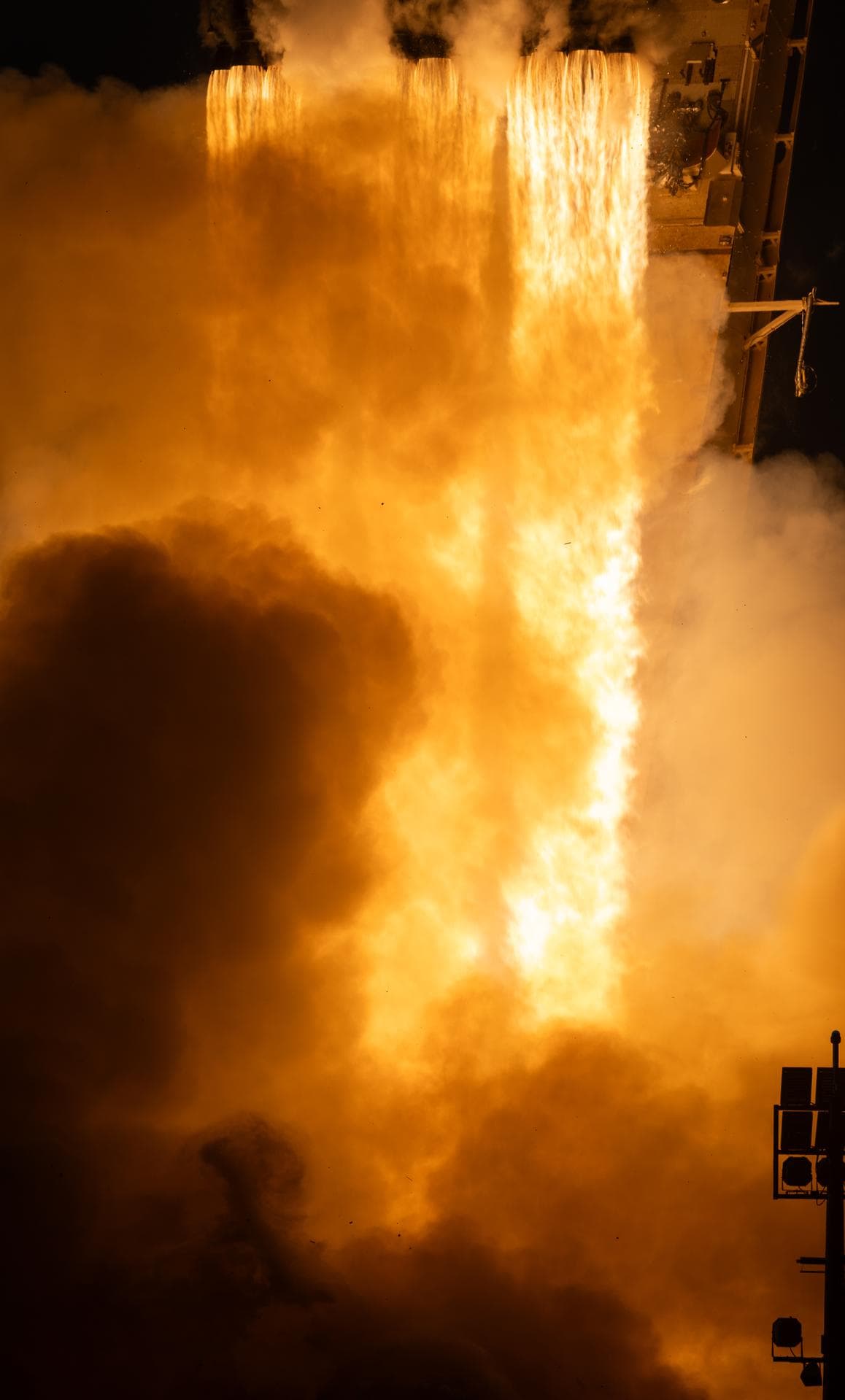
Now on a three-month, million-mile journey to its final orbit, NASA’s Nancy Grace Roman Space Telescope will soon reveal the universe’s darkest secrets. The mission launched at 7:26 a.m. EDT on Aug. 30 aboard a SpaceX Falcon Heavy rocket from Launch Complex 39A at the agency’s Kennedy Space Center in Florida. Roman pairs a large […]
Reported and summarised by NASA. Opens in a new tab.
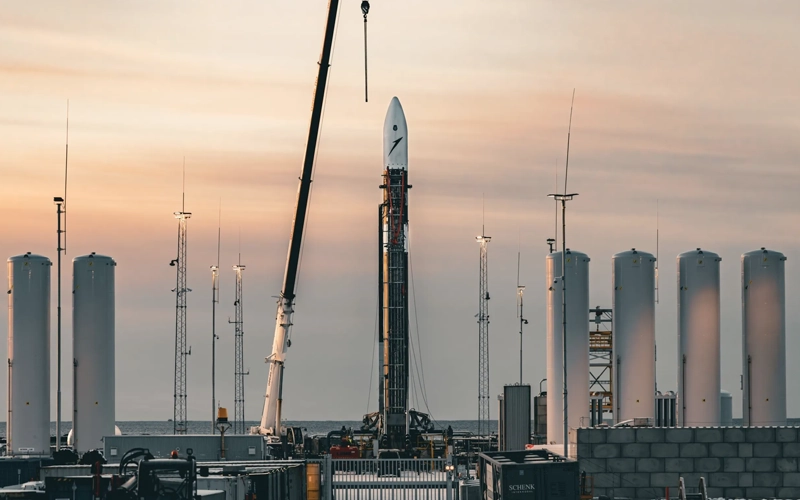
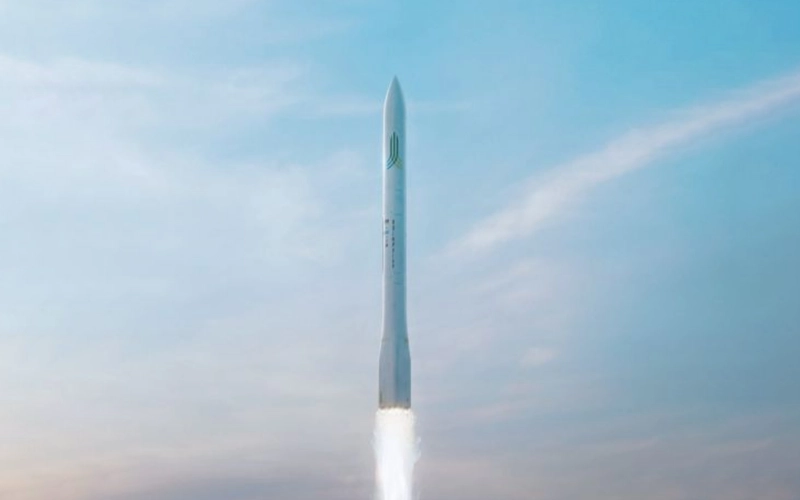
Maritime safety notices indicate that a week-long launch window for Isar Aerospace’s second Spectrum flight will open on 4 September. On 1 September, the Norwegian Coastal Administration issued a warning outlining that rocket launch operations were expected to be conducted daily between 16:00 and 21:35 UTC from 4 to 10 September. The warning establishes two […]
The post Isar Aerospace Could Attempt Second Spectrum Flight as Early as 4 September appeared first on European Spaceflight.
Reported and summarised by European Spaceflight. Opens in a new tab.
Leuven, Belgium & Halifax, Canada – 3 September 2026 – European optical payload provider Simera Sense today announced that Canadian space technology company Galaxia has acquired a HyperScape100 hyperspectral imaging […]
The post Galaxia Takes Next Step in Earth Observation with purchase of Simera Sense Hyperspectral Imager appeared first on SpaceNews.
Reported and summarised by SpaceNews. Opens in a new tab.
After eight years of travelling through the inner Solar System, BepiColombo is arriving at Mercury. This page will show the latest updates throughout the mission's arrival.
Reported and summarised by ESA. Opens in a new tab.
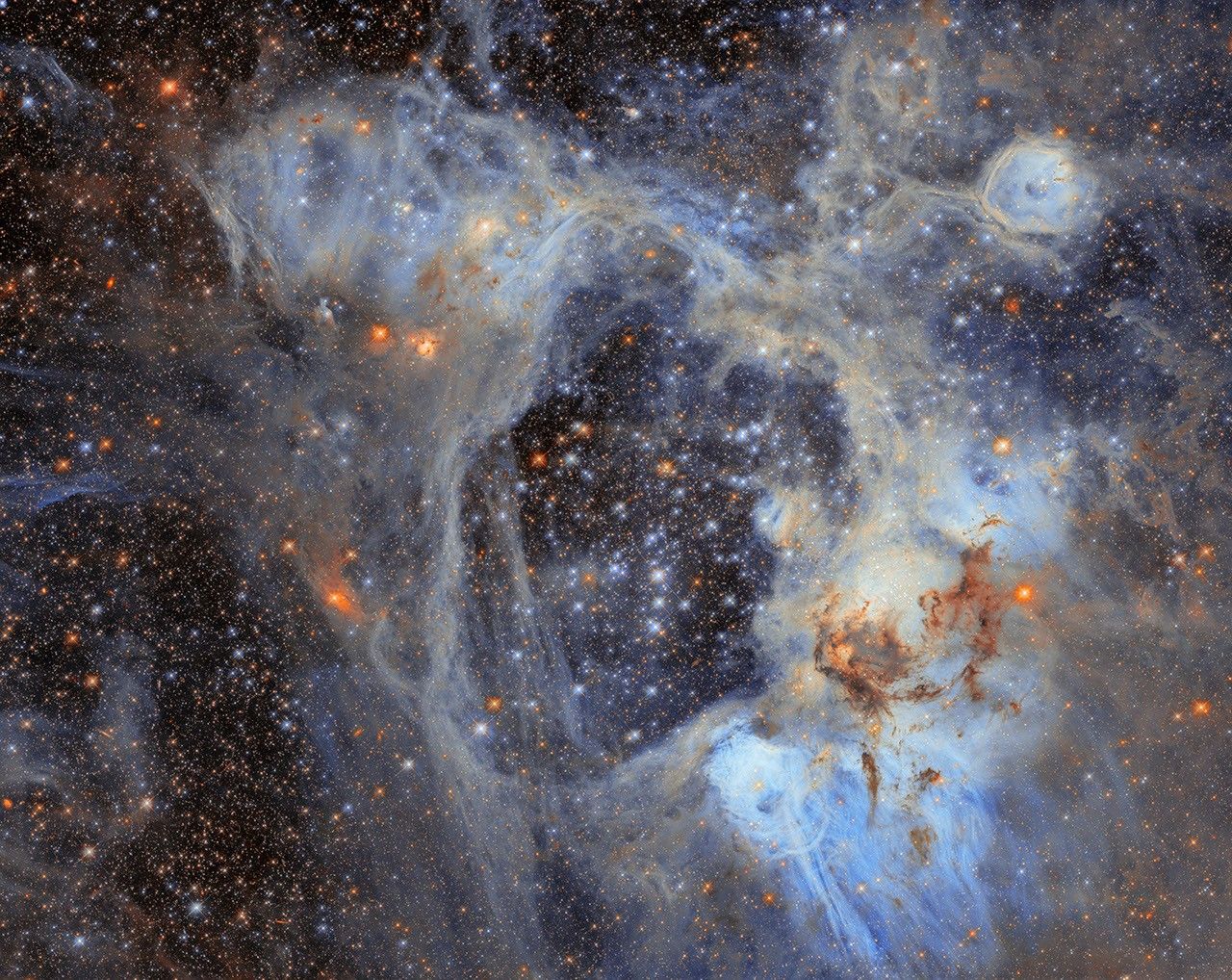
This sprawling cosmic vista and subject of today’s ESA/Hubble Picture of the Month comes from the Large Magellanic Cloud (LMC). The LMC is the largest of the small galaxies that orbit our Milky Way galaxy. At just 160 000 light-years away, the LMC offers a close look at highly active stellar birthsites like the nebula shown here. This nebula is named LHA 120-N44, or N44 for short, and it’s located in the constellation Dorado.
Reported and summarised by ESA. Opens in a new tab.
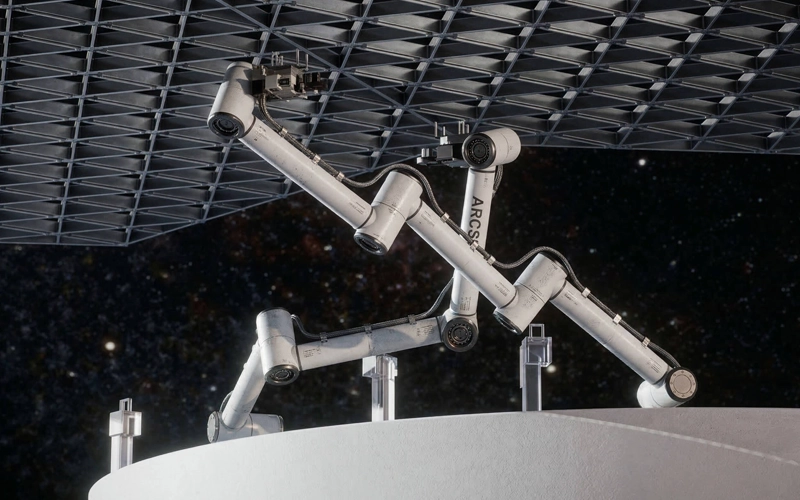
With its announcement that it had secured €2 million in new funding, French startup ArcSpace announced plans to test an automated welding system in orbit in 2027. Founded in 2022, ArcSpace is developing compact electron-beam tools designed to weld, join and cut metallic structures in orbit for applications including spacecraft servicing and assembly. On 25 […]
The post ArcSpace to Demo On-Orbit Welding Tech in 2027 appeared first on European Spaceflight.
Reported and summarised by European Spaceflight. Opens in a new tab.
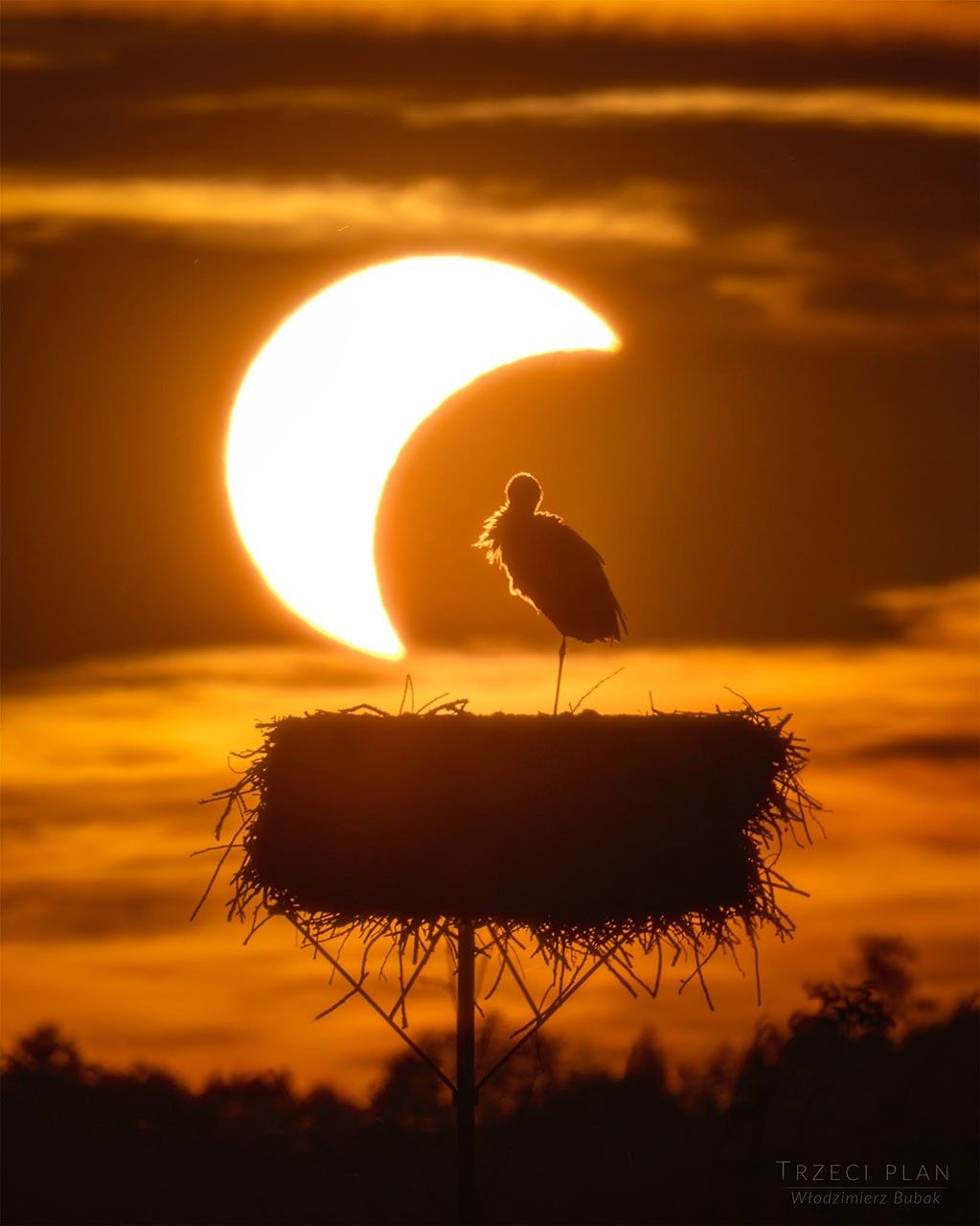
APOD Science APOD APOD: 2026 September 3 – The… Today’s APOD Archive Submissions Index Search Calendar RSS Education About Discuss APOD Astronomy Picture of the Day Discover the cosmos! Each day a different image or photograph of our fascinating universe is featured, along with a brief explanation written by a professional astronomer. The Eclipse […]
Reported and summarised by NASA. Opens in a new tab.
With Rocket Lab targeting to launch its Neutron vehicle by the end of this year,…
The post Rocket Lab’s Hungry Hippo completes testing appeared first on NASASpaceFlight.com.
Reported and summarised by NASASpaceflight. Opens in a new tab.
Community college students across the U.S. now have another opportunity to discover how their education can lead to fulfilling roles at the forefront of aerospace, science, engineering, and technology. The updated NASA Community College Aerospace Scholars (NCAS) student challenge invites students to learn about the agency and its missions, engage with NASA experts, and explore […]
Reported and summarised by NASA. Opens in a new tab.
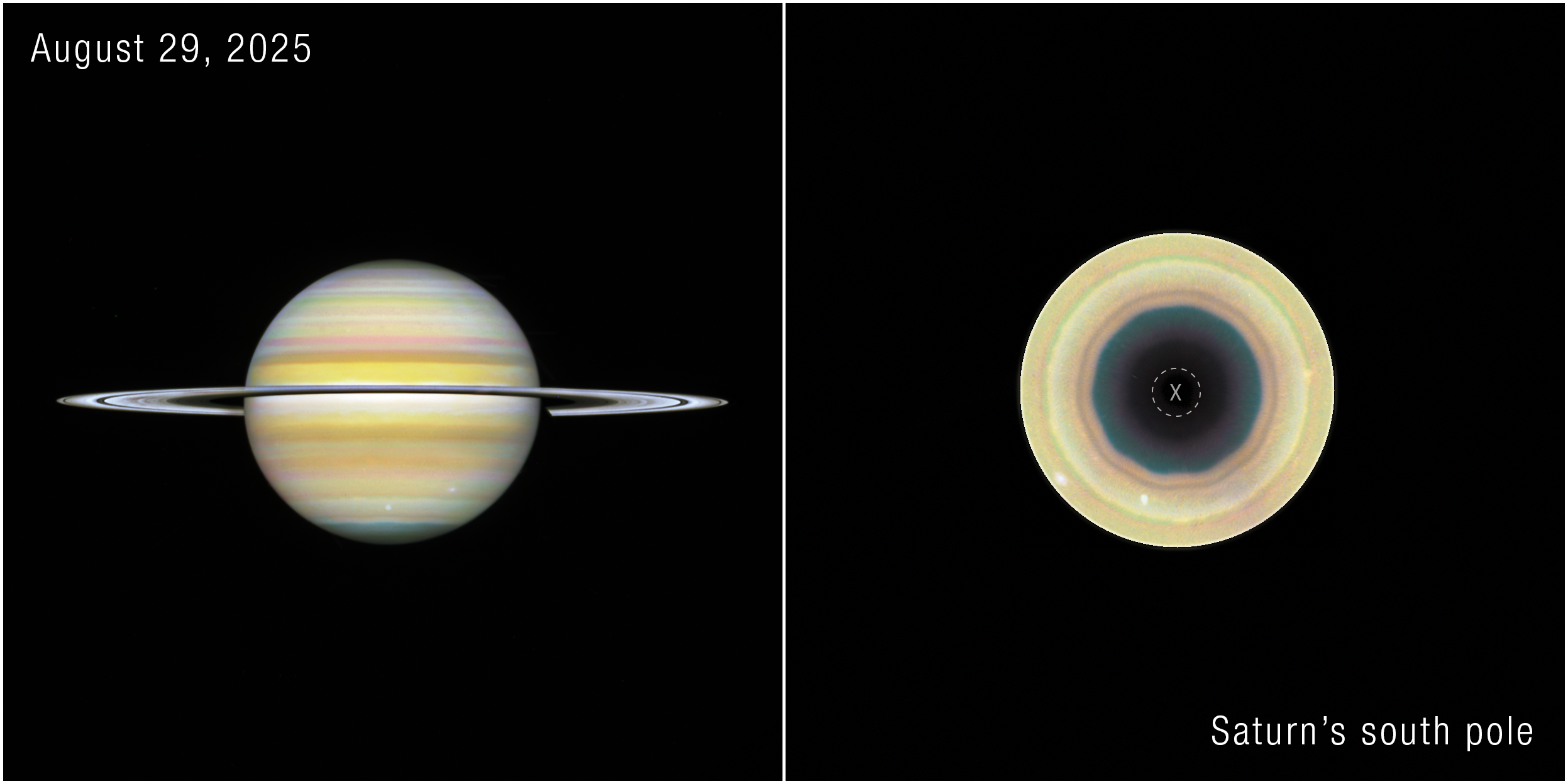
Recent observations with the NASA/ESA Hubble Space Telescope have revealed a giant, evolving 10-sided atmospheric wave encircling Saturn’s south pole. This discovery marks the first time a large regular-sided jet pattern has been observed in the planet’s southern hemisphere. The feature appears remarkably similar to Saturn’s famous hexagon at its northern pole, but is also distinctly different, suggesting scientists may be witnessing a new atmospheric phenomenon develop on the iconic gas giant.
Reported and summarised by ESA. Opens in a new tab.
At Europe’s Spaceport in French Guiana, preparations for one of the year’s most anticipated Earth-observation launches are entering their final stages.
Reported and summarised by ESA. Opens in a new tab.
On Aug. 28, 2026 (the evening of Aug. 27 in some time zones), the Moon passed into Earth’s shadow, creating a deep partial lunar eclipse. At the moment of greatest eclipse, 12:13 a.m. EDT, 96.3% of the Moon’s disk was immersed in Earth’s umbra—the central, darkest part of the shadow where sunlight is completely blocked. […]
Reported and summarised by NASA. Opens in a new tab.
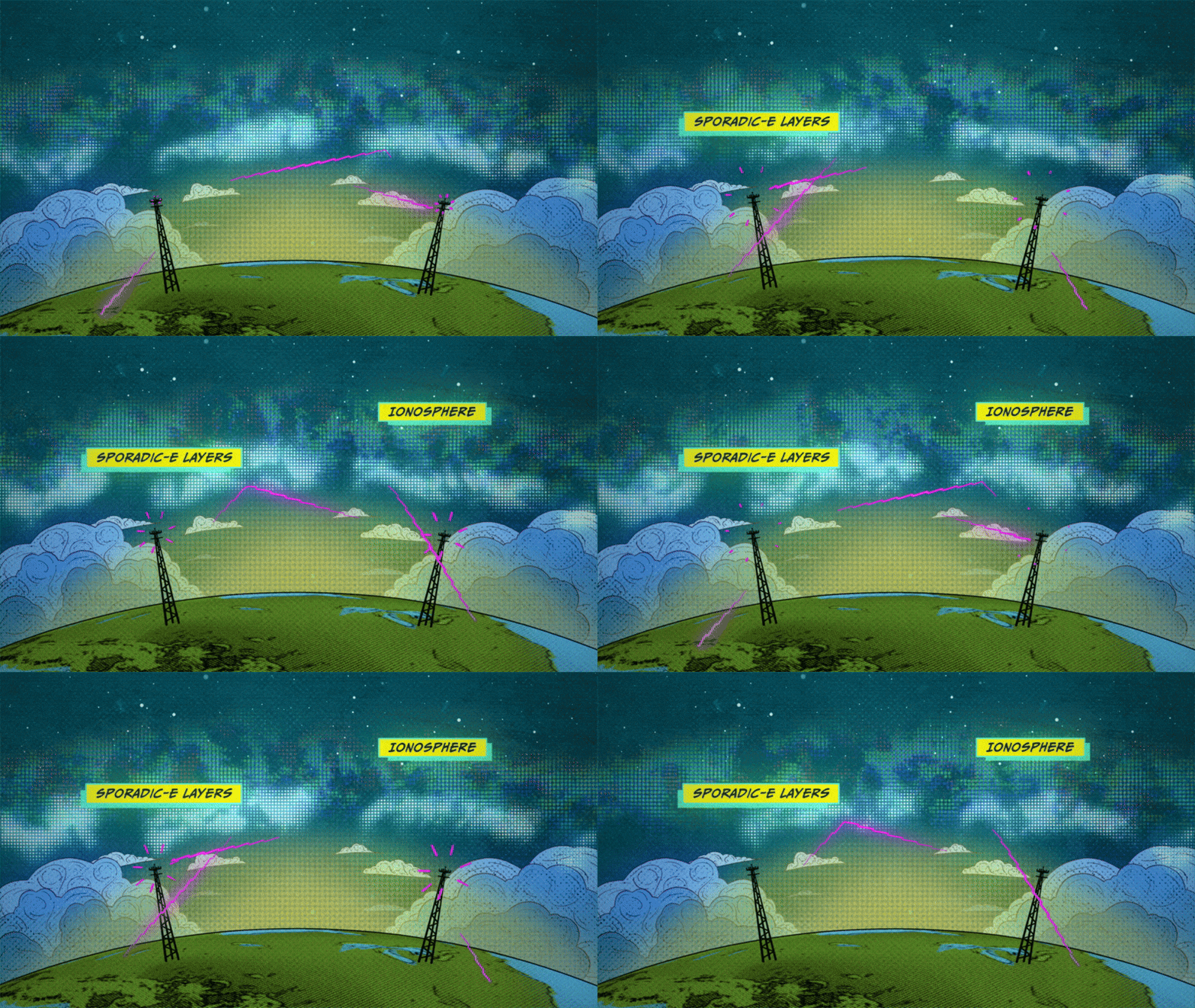
High above Earth, thin veils of metallic haze drift through the edge of space. Known as sporadic E layers, these high-altitude “clouds” form from the vaporized dust of burnt-up meteors, earning their name from the unpredictable way they emerge and then dissipate. Now, new results from a NASA sounding rocket — a suborbital research rocket […]
Reported and summarised by NASA. Opens in a new tab.
DURANGO, Colo. — Sept. 2, 2026 — Agile Space Industries celebrated the completion of a 20,500-square-foot expansion of its Durango headquarters with a ribbon-cutting ceremony on August 26, joined by […]
The post Agile Space Industries Celebrates Durango Headquarters Expansion with Ribbon Cutting appeared first on SpaceNews.
Reported and summarised by SpaceNews. Opens in a new tab.
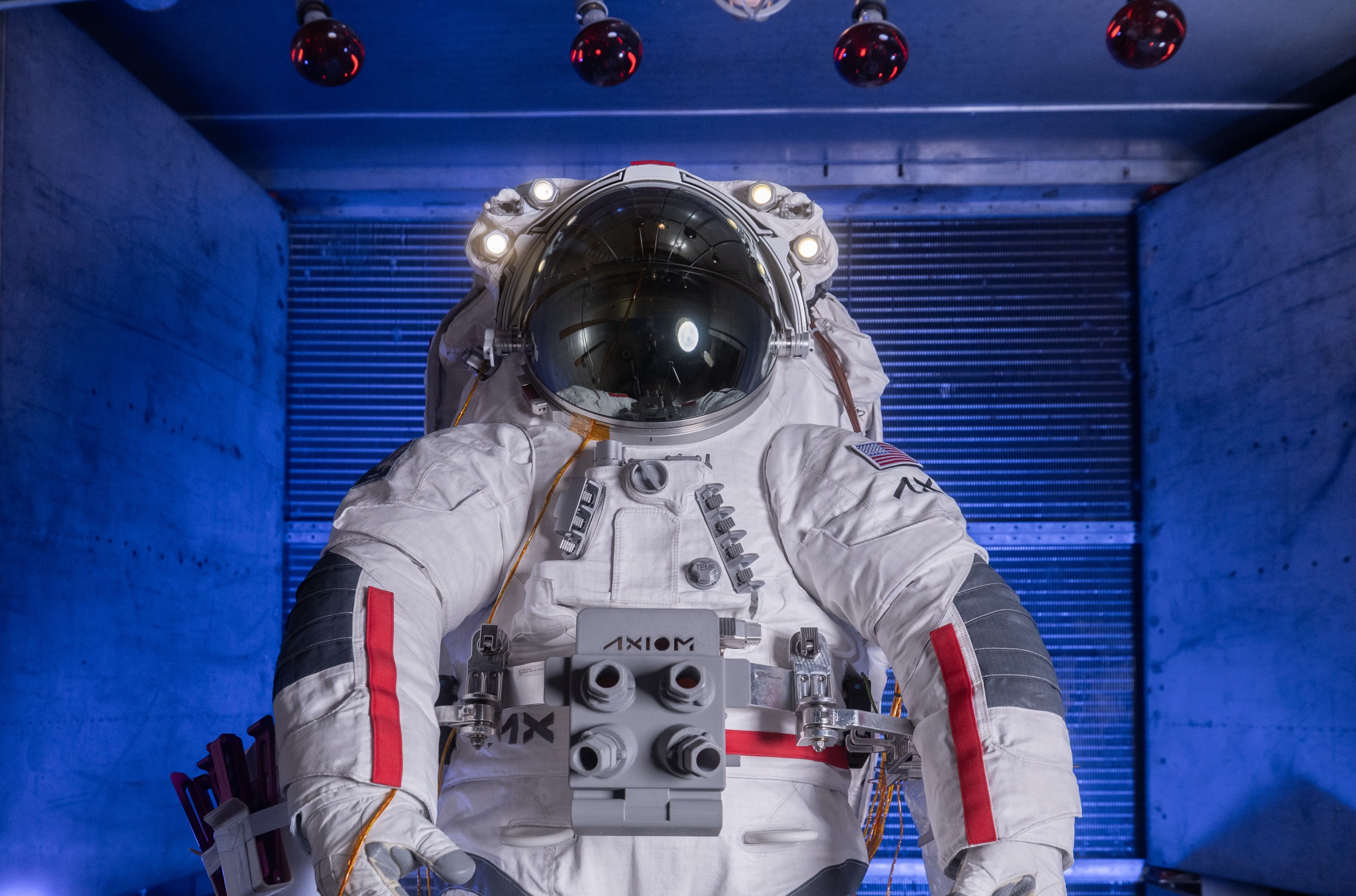
ESA astronaut Sophie Adenot and NASA astronaut Jessica Meir successfully completed US EVA-99 at 21:29 CEST on Tuesday 1 September. It was Sophie’s third spacewalk, and the 33rd conducted by a European astronaut.
Reported and summarised by ESA. Opens in a new tab.
German launch services provider HyImpulse announced on 2 September that it had extended its Series A funding round by more than €50 million, bringing its total funding to date to €125 million. The company is currently preparing for the second flight of its suborbital SR75 rocket and the inaugural launch attempt of its larger SL1 […]
The post HyImpulse Extends Series A Funding Round by €50 Million appeared first on European Spaceflight.
Reported and summarised by European Spaceflight. Opens in a new tab.
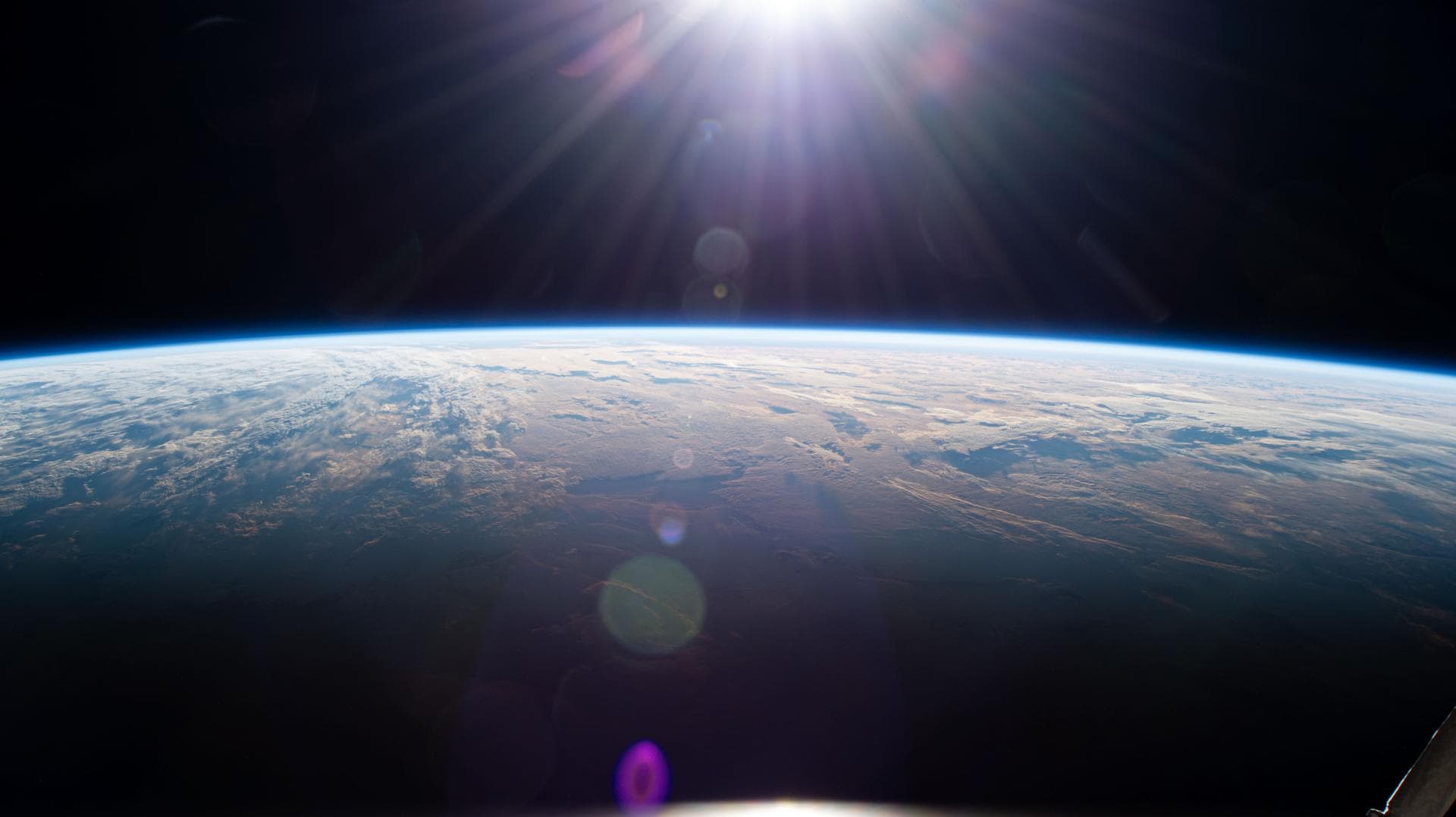
The Cluster mission danced its final dance as Tango reentered the atmosphere on 1 September, at 23:30:31 CEST. The end of the Cluster mission in 2024 turned into the start of the reentry data collection campaign. After four ‘targeted’ reentries, this is now a proven method of safe end-of-life disposal. It also enabled the repeated observation of the reentries by a plane full of scientists, creating a unique reentry data set that will improve our understanding of the destructive process and can inform the design of safer and more sustainable satellites in the future.
Reported and summarised by ESA. Opens in a new tab.
Reported and summarised by ESA. Opens in a new tab.
COMMS UPLINK
SYS-07/MAIL
STANDING BY
One dispatch a week: what flew, what slipped, and anything worth setting an alarm for.
Written by a person, sent from the same console that runs this site.
No spam. We never sell the list. Unsubscribe from any email.
Feed documentation
DOC-NEWS
REFERENCE
Where does this space news come from?
Every story on the Delta-V news feed is written and published by an outside outlet — SpaceNews, NASASpaceflight, Space.com, ESA, Ars Technica and dozens more — and reaches the page through the Spaceflight News API. Delta-V displays the publisher's own headline, thumbnail and summary, then links straight to their site. Delta-V does not host, rewrite or republish article text.
How often is the spaceflight news feed updated?
The feed is re-fetched every thirty minutes and always ordered newest first, so a story normally appears on Delta-V within an hour of the publisher posting it. Each card shows how long ago its story was filed, and hovering the timestamp gives the exact publication time in UTC.
Can I filter space news by outlet or search for a topic?
Yes. The source chips above the feed narrow it to a single outlet, and the search box matches text in headlines and summaries. Both controls write to the URL — /news?source=SpaceNews or /news?q=starship — so a filtered feed can be bookmarked, shared or reopened from browser history.
Do these articles open on Delta-V or on the publisher's site?
Every headline opens the publisher's own page in a new tab. Delta-V is an index, not a mirror: the reporting, the images and the ad revenue belong to the outlet that produced the story.
Where do I find launch dates rather than news?
Launch schedules live on the Delta-V launch pages, which carry a live countdown, pad, vehicle and mission detail for every upcoming orbital flight. The news feed covers reporting about spaceflight; the launch schedule covers the flights themselves.
Between headlines: Delta-V is a gravity-flight sim about the orbital mechanics behind them — free on Android.GET IT ON GOOGLE PLAY — FREE
Aggregation and metadata via the Spaceflight News API. Copyright in every headline, image and summary remains with the publishing outlet.