Page 177 of the Delta-V spaceflight news feed opens with “Europe approves EPS Sterna polar microsatellite network”, published by SpaceDaily 7 months ago. Delta-V aggregates spaceflight news from 9 outlets including Arstechnica, ESA, European Spaceflight through the Spaceflight News API, ordered newest first and refreshed every thirty minutes, with every headline linking out to the outlet that reported it. This view holds 35,950 stories.
Nothing here is written by Delta-V. Each card carries the publisher's own headline, their own summary and a link out to their site — attribution stays attached, and the click goes to the people who did the reporting.
Berlin, Germany (SPX) Jan 12, 2026
The EUMETSAT Council has formally endorsed the EUMETSAT Polar System Sterna (EPS Sterna), clearing the way for a new constellation of polar orbiting microsatellites that will deliver frequent microwave measurements of atmospheric temperature, humidity and cloud properties. The decision confirms EPS Sterna as a mandatory programme for EUMETSAT and authorises full scale activities targeting the la
Reported and summarised by SpaceDaily. Opens in a new tab.
Los Angeles CA (SPX) Jan 14, 2026
Diffraqtion, a space startup spun out of MIT and the University of Maryland, has closed a pre-seed funding round to advance satellite constellations and telescope systems powered by a novel quantum camera. The round is led by QDNL Participations, with participation from milemark+ capital, Aether VC, ADIN, Offline Ventures, and a non-dilutive DARPA SBIR Direct-to-Phase 2 contract that supports sp
Reported and summarised by SpaceDaily. Opens in a new tab.
Los Angeles CA (SPX) Jan 14, 2026
In a key step toward sustaining crews on future lunar missions, Nimbus Power Systems has completed a campaign of shock and vibration tests on its advanced, gravity independent fuel cell hardware in cooperation with Blue Origin. The tests reproduced the harsh launch and ascent environments expected for NASA Artemis crewed missions, and the fuel cell met all specified performance targets while mai
Reported and summarised by SpaceDaily. Opens in a new tab.
by Poornima Apte for MIT News
Boston MA (SPX) Jan 14, 2026
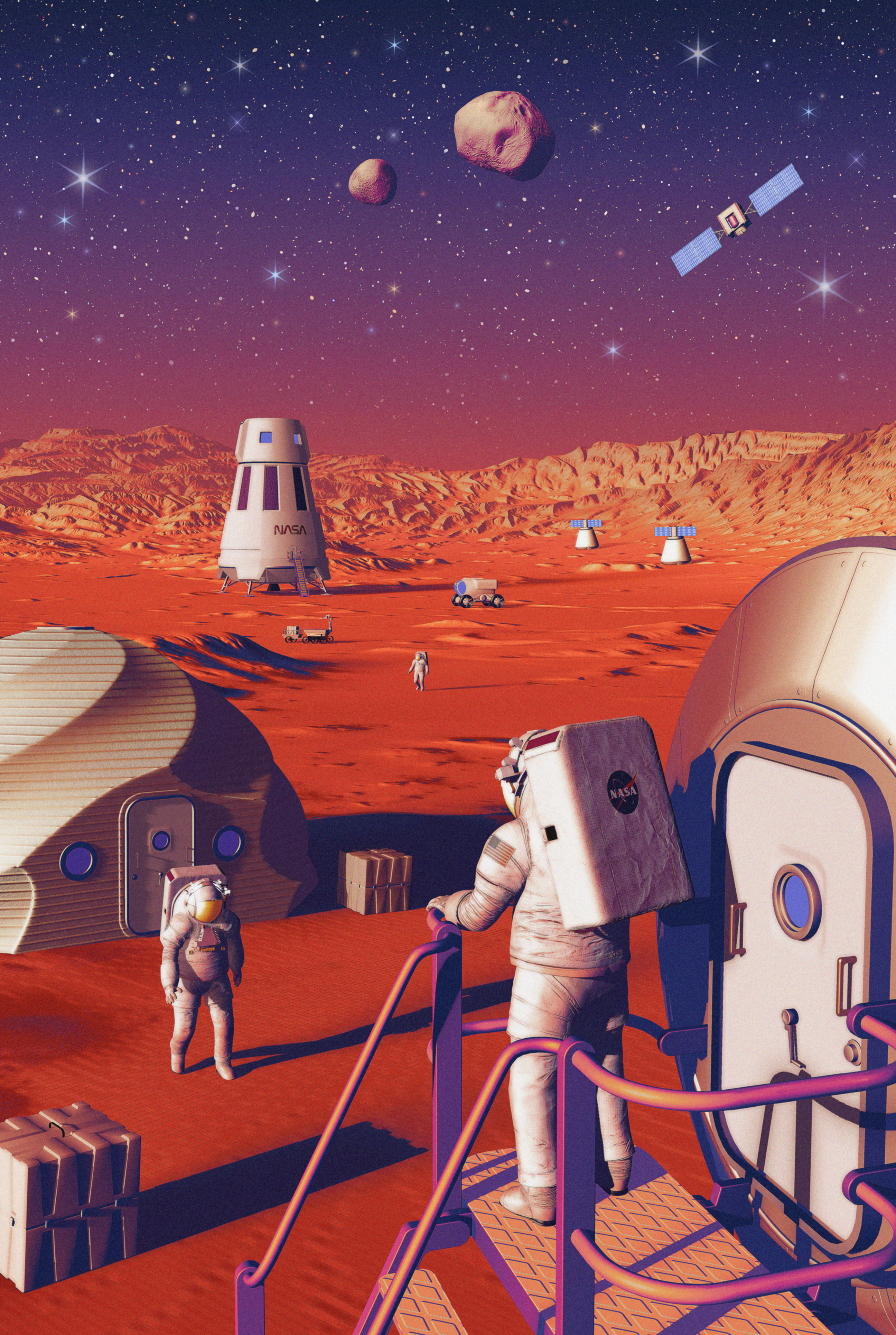
Going to the moon was one thing; going to Mars will be quite another. The distance alone is intimidating. While the moon is 238,855 miles away, the distance to Mars is between 33 million and 249 million miles. The propulsion systems that got us to the moon just will not work.
Taylor Hampson, a master's student in the Department of Nuclear Science and Engineeri
Reported and summarised by SpaceDaily. Opens in a new tab.
Los Angeles CA (SPX) Jan 14, 2026
Firefly Aerospace has announced a Block II configuration upgrade for its Alpha small launch vehicle, with qualification testing for the new second stage hardware now underway at the companys Rocket Ranch test facility in Briggs, Texas. The Block II program is intended to boost reliability, streamline manufacturing, and improve launch operations to better support commercial, civil, and national s
Reported and summarised by SpaceDaily. Opens in a new tab.
Berkeley, United States (SPX) Jan 12, 2026
For 21 years, between 1999 and 2020, millions of people worldwide loaned UC Berkeley scientists their computers to search for signs of advanced civilizations in our galaxy.
The project - called SETI@home, after the Search for Extraterrestrial Intelligence (SETI) - generated a loyal following eager to participate in one of the most popular crowd-sourced projects in the early days of the int
Reported and summarised by SpaceDaily. Opens in a new tab.
Los Angeles CA (SPX) Jan 14, 2026
EdgeCortix Inc. reports that its Sakura II edge AI co-processor has demonstrated high levels of radiation resiliency in heavy ion testing conducted under the NASA Electronic Parts and Packaging Program. The results mark the second time an EdgeCortix device has completed this test campaign, following earlier work in 2024 on the Sakura I co-processor.
According to the new NASA report, Sakura
Reported and summarised by SpaceDaily. Opens in a new tab.
New Delhi (AFP) Jan 12, 2026
An Indian rocket hit a snag during its launch Monday, forcing a deviation in flight path as it carried an Earth observation satellite and commercial payloads, the country's space agency said.
The PSLV-C62, a four-stage launch vehicle, "encountered an anomaly" towards the end of the third stage, the Indian Space Research Organisation (ISRO) posted on X, without saying exactly what went wrong.
Reported and summarised by SpaceDaily. Opens in a new tab.
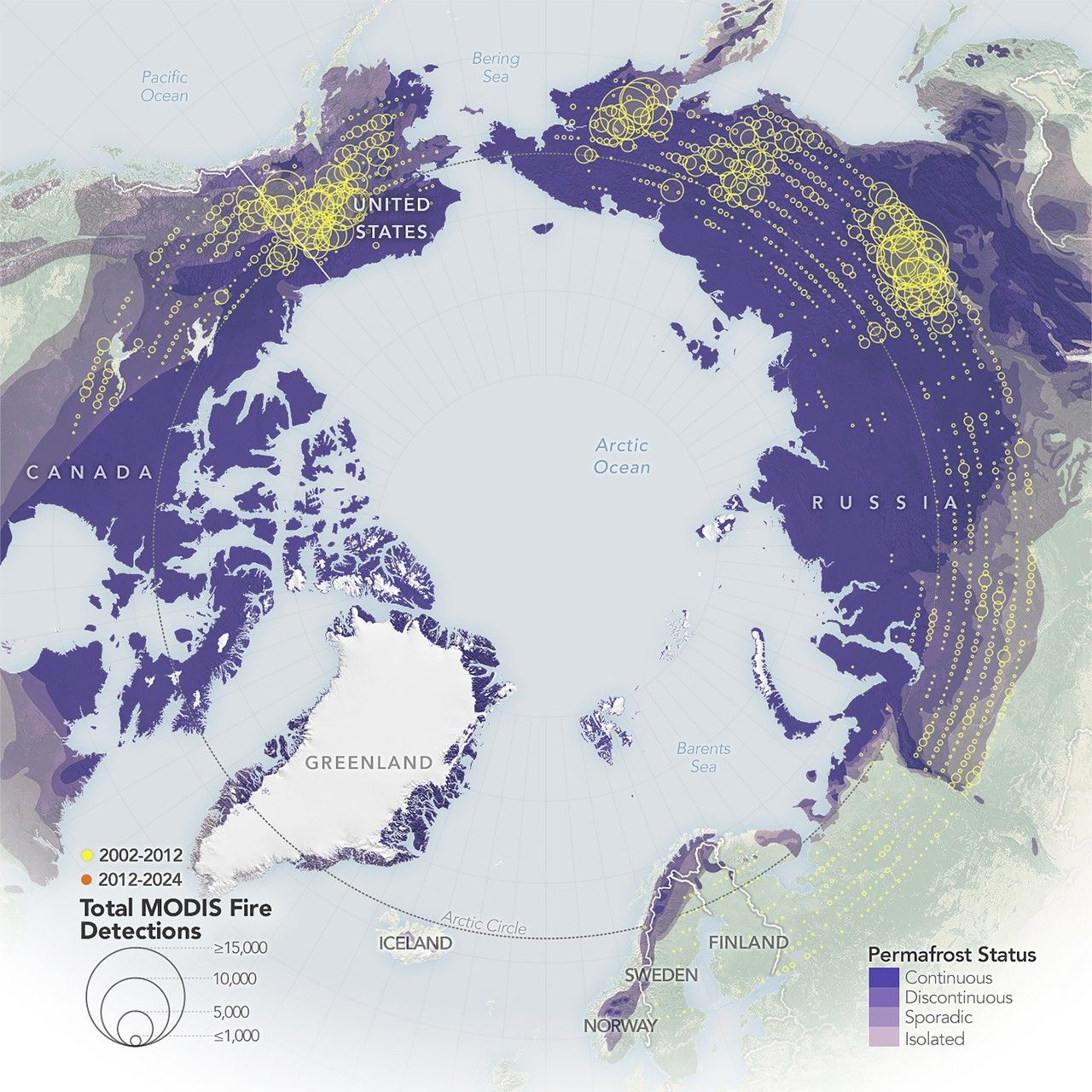
An increasingly flammable landscape combined with more lightning strikes is leading to larger, more frequent, and more intense fires than the landscape is adapted for.
Reported and summarised by NASA. Opens in a new tab.
India’s Polar Satellite Launch Vehicle (PSLV), long hailed as the reliable workhorse of the Indian…
The post India’s workhorse PSLV needs to solve third stage issue following second consecutive failure appeared first on NASASpaceFlight.com.
Reported and summarised by NASASpaceflight. Opens in a new tab.
Firefly Aerospace says it will upgrade its Alpha launch vehicle, making changes intended to improve the reliability of a rocket that has experienced several failures.
The post Firefly to upgrade Alpha rocket to improve reliability appeared first on SpaceNews.
Reported and summarised by SpaceNews. Opens in a new tab.
SAN FRANCISCO – A Jan. 13 hearing underscored the importance of ongoing collaboration between the National Oceanic and Atmospheric Administration (NOAA) and the U.S. armed services. U.S. Air Force and U.S. Navy witnesses discussed their heavy reliance on datasets and weather models provided by NOAA and said their agencies are working closely to ensure NOAA’s […]
The post Congressional hearing highlights military’s reliance on NOAA data appeared first on SpaceNews.
Reported and summarised by SpaceNews. Opens in a new tab.
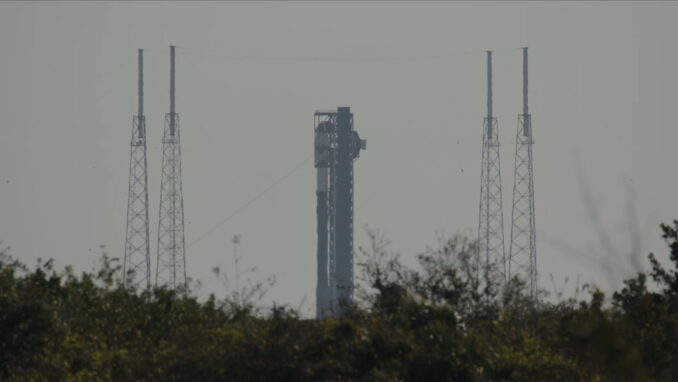
The Starlink 6-98 mission will add 29 Starlink V2 Mini Optimized satellites to the low Earth orbit constellation. Liftoff from pad 40 at Cape Canaveral Space Force Station is scheduled for 1:08 p.m. EST (1808 UTC).
Reported and summarised by Spaceflight Now. Opens in a new tab.
The change will allow the U.S. Space Force to expedite the process of building out its GPS constellation in medium Earth orbit. The launch date for the next satellite, GPS III Space Vehicle 09, could be within weeks.
Reported and summarised by Spaceflight Now. Opens in a new tab.
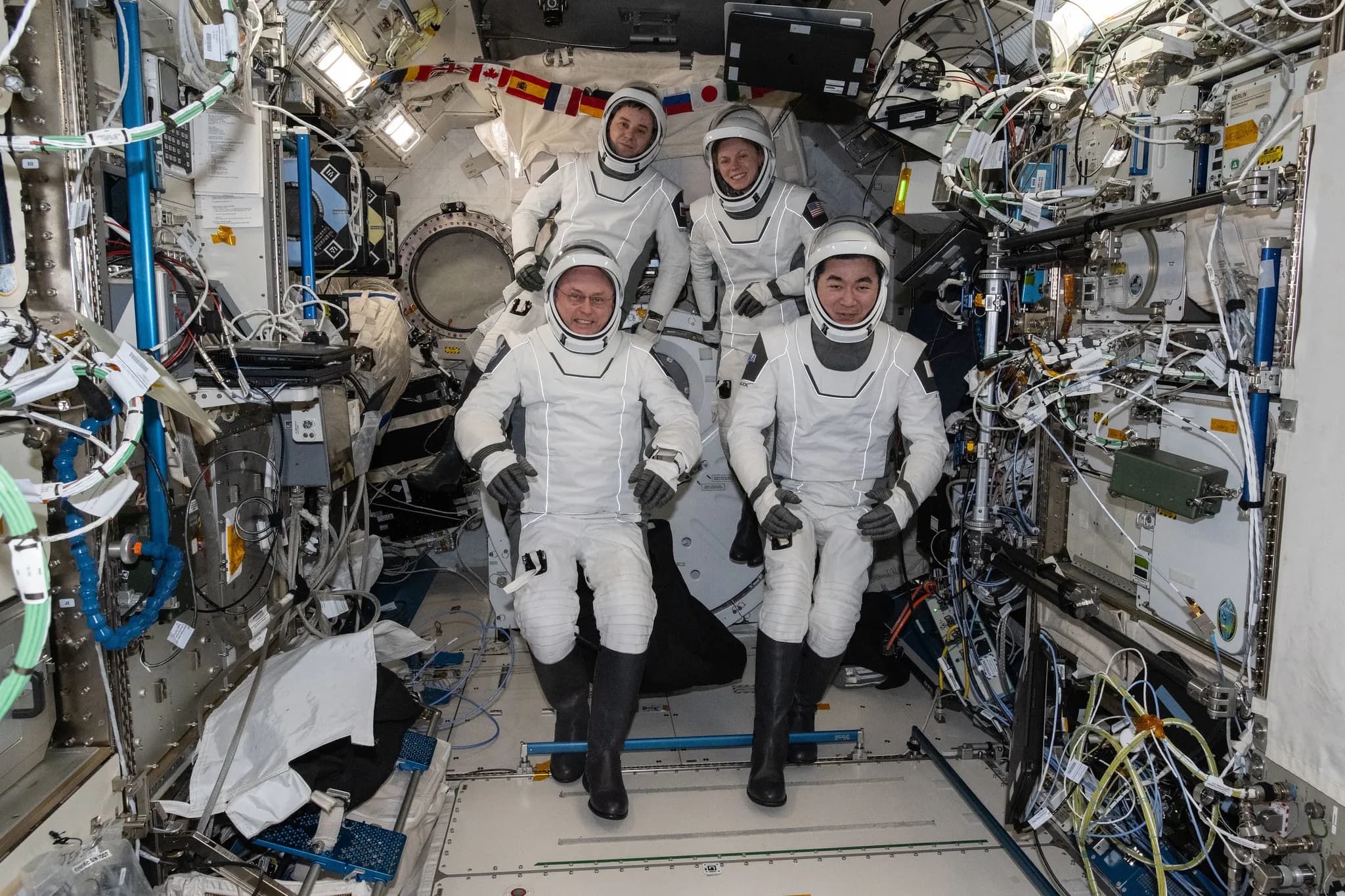
NASA and SpaceX are targeting no earlier than 5:05 p.m. EST, Wednesday, Jan. 14, for the undocking of the agency’s SpaceX Crew-11 mission from the International Space Station, pending weather conditions. On Jan. 8, NASA announced its decision to return the agency’s SpaceX Crew-11 mission to Earth from the space station earlier than originally planned […]
Reported and summarised by NASA. Opens in a new tab.
SpaceX continues to make rapid progress on its Starship program infrastructure, with significant developments at…
The post Starship launch infrastructure progress at Starbase/Cape ahead of 2026 Launches appeared first on NASASpaceFlight.com.
Reported and summarised by NASASpaceflight. Opens in a new tab.
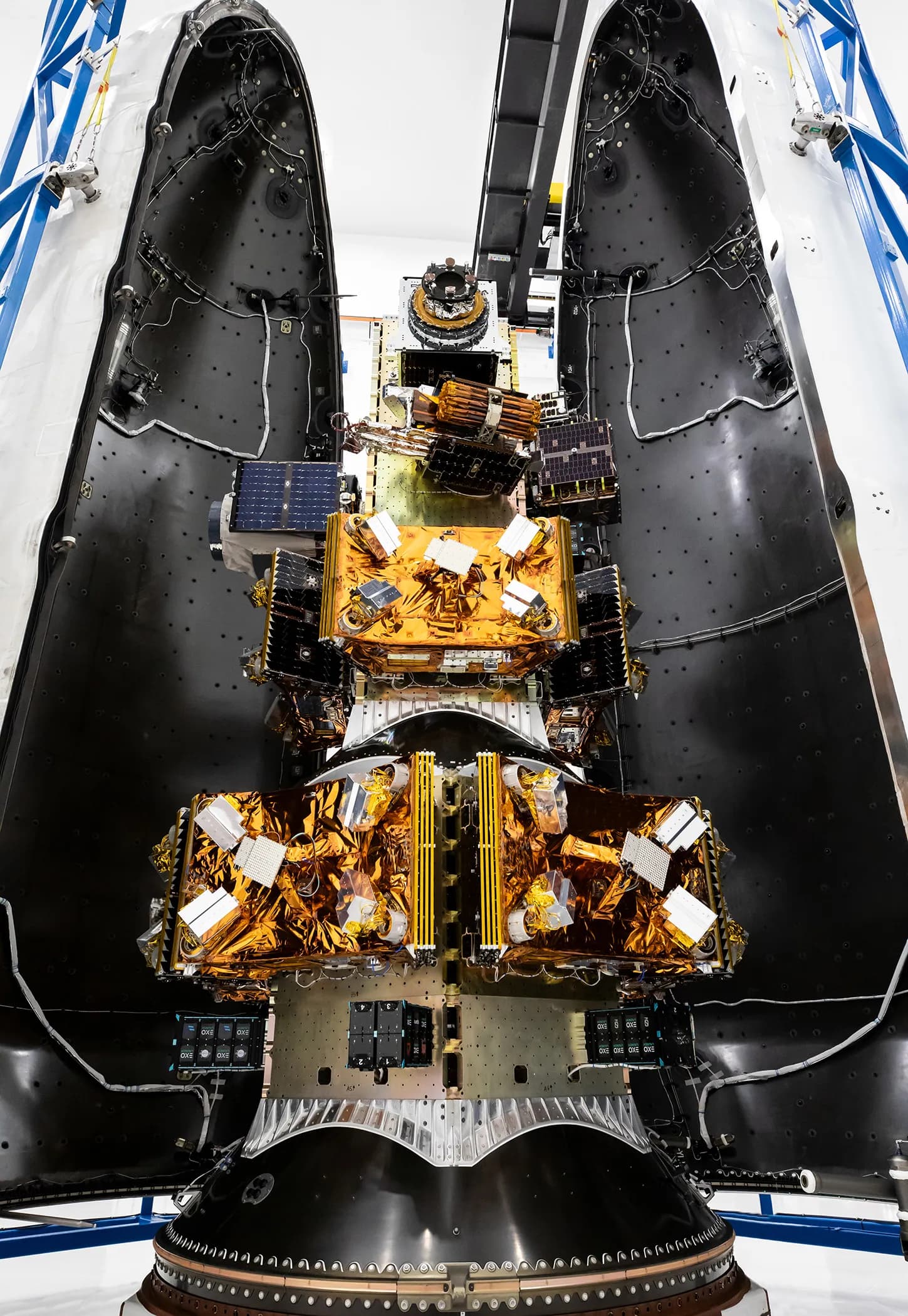
In this photo from early January 2026, teams prepare to encapsulate NASA’s Pandora small satellite, NASA-sponsored Star-Planet Activity Research CubeSat (SPARCS), and the Black Hole Coded Aperture Telescope (BlackCAT) CubeSat, inside a SpaceX Falcon 9 payload fairing. A SpaceX Falcon 9 rocket carrying NASA’s Pandora small satellite lifted off at 5:44 a.m. PST Sunday, Jan. […]
Reported and summarised by NASA. Opens in a new tab.
MILAN — The European Space Agency and Luxembourg’s ClearSpace announced Jan. 12 a new collaboration on an in-orbit servicing and active debris removal mission called PRELUDE, one that will involve two small spacecraft designed to test close-proximity operations and could eventually enable satellite life extension, repair and removal in orbit. Officials are targeting a 2027 […]
The post ESA and ClearSpace announce PRELUDE in-orbit servicing and debris removal mission appeared first on SpaceNews.
Reported and summarised by SpaceNews. Opens in a new tab.
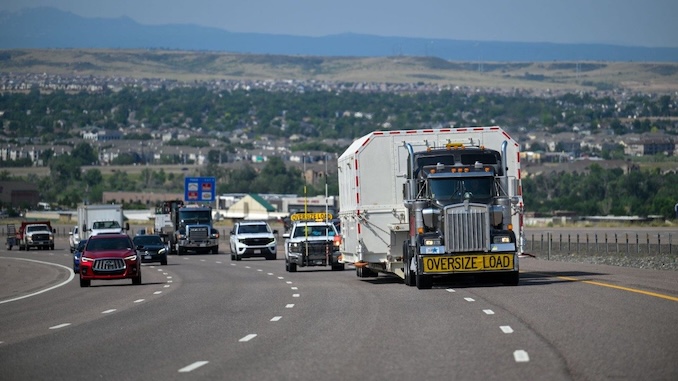
NASA, along with the U.S. Department of Energy (DOE), announced Tuesday a renewed commitment to their longstanding partnership to support the research and development of a fission surface power system for use on the Moon under the Artemis campaign and future NASA missions to Mars. A recently signed memorandum of understanding between the agencies solidifies […]
Reported and summarised by NASA. Opens in a new tab.
Deal tied to planned IPO aims to expand solid rocket motor capacity
The post Pentagon commits $1 billion to L3Harris missile unit as ‘anchor investor’ appeared first on SpaceNews.
Reported and summarised by SpaceNews. Opens in a new tab.
NASA is getting ready to send four astronauts around the Moon with Artemis II, laying the foundation for sustainable missions to the lunar surface and paving the way for human exploration on Mars. As the agency considers deep space endeavors that could last months or years, it must develop ways to feed astronauts beyond sending […]
Reported and summarised by NASA. Opens in a new tab.
A widespread demand for nuclear power has led some to call this period a “nuclear renaissance,” one that will continue to build momentum in 2026. This growing need is being driven by two primary use cases: small modular nuclear reactors for cloud infrastructure and terrestrial data center needs, and nuclear electric reactors for lunar surface […]
The post There’s no end in sight for a space ‘nuclear renaissance’ appeared first on SpaceNews.
Reported and summarised by SpaceNews. Opens in a new tab.
Tokyo, Japan (SPX) Jan 13, 2026
A Chinese suborbital spacecraft designed for reusable operations and future space tourism has completed a key test flight, marking a new step in the country's commercial space ambitions.
The vehicle, designated PH-1, is developed by Beijing-based commercial aerospace company CAS Space and is intended to support low cost scientific experiments in microgravity as well as pave the way for pas
Reported and summarised by SpaceDaily. Opens in a new tab.
COMMS UPLINK
SYS-07/MAIL
STANDING BY
One dispatch a week: what flew, what slipped, and anything worth setting an alarm for.
Written by a person, sent from the same console that runs this site.
No spam. We never sell the list. Unsubscribe from any email.
Feed documentation
DOC-NEWS
REFERENCE
Where does this space news come from?
Every story on the Delta-V news feed is written and published by an outside outlet — SpaceNews, NASASpaceflight, Space.com, ESA, Ars Technica and dozens more — and reaches the page through the Spaceflight News API. Delta-V displays the publisher's own headline, thumbnail and summary, then links straight to their site. Delta-V does not host, rewrite or republish article text.
How often is the spaceflight news feed updated?
The feed is re-fetched every thirty minutes and always ordered newest first, so a story normally appears on Delta-V within an hour of the publisher posting it. Each card shows how long ago its story was filed, and hovering the timestamp gives the exact publication time in UTC.
Can I filter space news by outlet or search for a topic?
Yes. The source chips above the feed narrow it to a single outlet, and the search box matches text in headlines and summaries. Both controls write to the URL — /news?source=SpaceNews or /news?q=starship — so a filtered feed can be bookmarked, shared or reopened from browser history.
Do these articles open on Delta-V or on the publisher's site?
Every headline opens the publisher's own page in a new tab. Delta-V is an index, not a mirror: the reporting, the images and the ad revenue belong to the outlet that produced the story.
Where do I find launch dates rather than news?
Launch schedules live on the Delta-V launch pages, which carry a live countdown, pad, vehicle and mission detail for every upcoming orbital flight. The news feed covers reporting about spaceflight; the launch schedule covers the flights themselves.
Between headlines: Delta-V is a gravity-flight sim about the orbital mechanics behind them — free on Android.GET IT ON GOOGLE PLAY — FREE
Aggregation and metadata via the Spaceflight News API. Copyright in every headline, image and summary remains with the publishing outlet.