Page 128 of the Delta-V spaceflight news feed opens with “NASA outlines objectives for Mars communications orbiter”, published by SpaceNews 6 months ago. Delta-V aggregates spaceflight news from 9 outlets including Arstechnica, ESA, European Spaceflight through the Spaceflight News API, ordered newest first and refreshed every thirty minutes, with every headline linking out to the outlet that reported it. This view holds 35,923 stories.
Nothing here is written by Delta-V. Each card carries the publisher's own headline, their own summary and a link out to their site — attribution stays attached, and the click goes to the people who did the reporting.
NASA has provided new details about its plans to procure a Mars communications orbiter funded under last year’s budget reconciliation bill as companies continue positioning themselves to bid on it.
The post NASA outlines objectives for Mars communications orbiter appeared first on SpaceNews.
Reported and summarised by SpaceNews. Opens in a new tab.
Here is SpacePolicyOnline.com’s list of space policy events for the week of March 1-7, 2026 and any insight we can offer about them. The Senate is in session this week. […]
Reported and summarised by SpacePolicyOnline.com. Opens in a new tab.
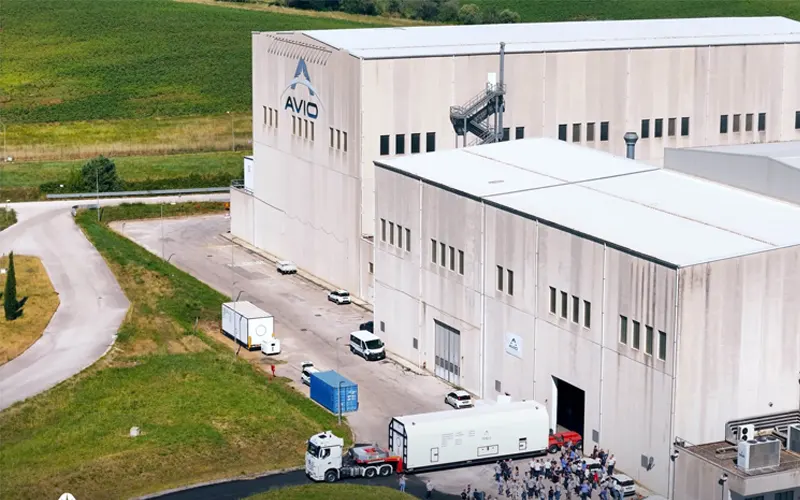
Proxy adviser Glass Lewis has recommended that Avio shareholders vote in favour of a set of proposed bylaw amendments that would reduce the maximum size of the company’s board of directors. The recommendation comes after a separate proxy adviser, Institutional Shareholder Services (ISS), recommended against the proposed changes, setting up a tense run-up to a […]
The post Shareholder Advisory Firms Disagree on Avio Bylaw Amendments appeared first on European Spaceflight.
Reported and summarised by European Spaceflight. Opens in a new tab.
Officials says commercial data and software can sharpen space threat detection
The post Space Force opens secretive space tracking to commercial firms appeared first on SpaceNews.
Reported and summarised by SpaceNews. Opens in a new tab.
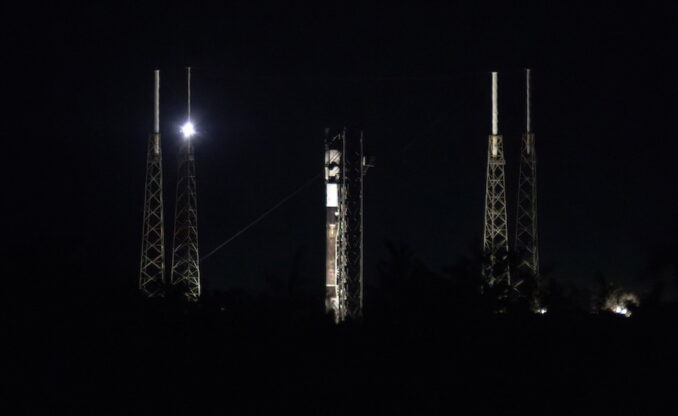
The Starlink 10-41 mission will see the Falcon 9 rocket head out on a north-easterly trajectory upon leaving pad 40 at Cape Canaveral Space Force Station. Liftoff is expected on March 1 at 7:34 p.m. EST (0034 UTC).
Reported and summarised by Spaceflight Now. Opens in a new tab.
Washington, United States (AFP) Feb 25, 2026
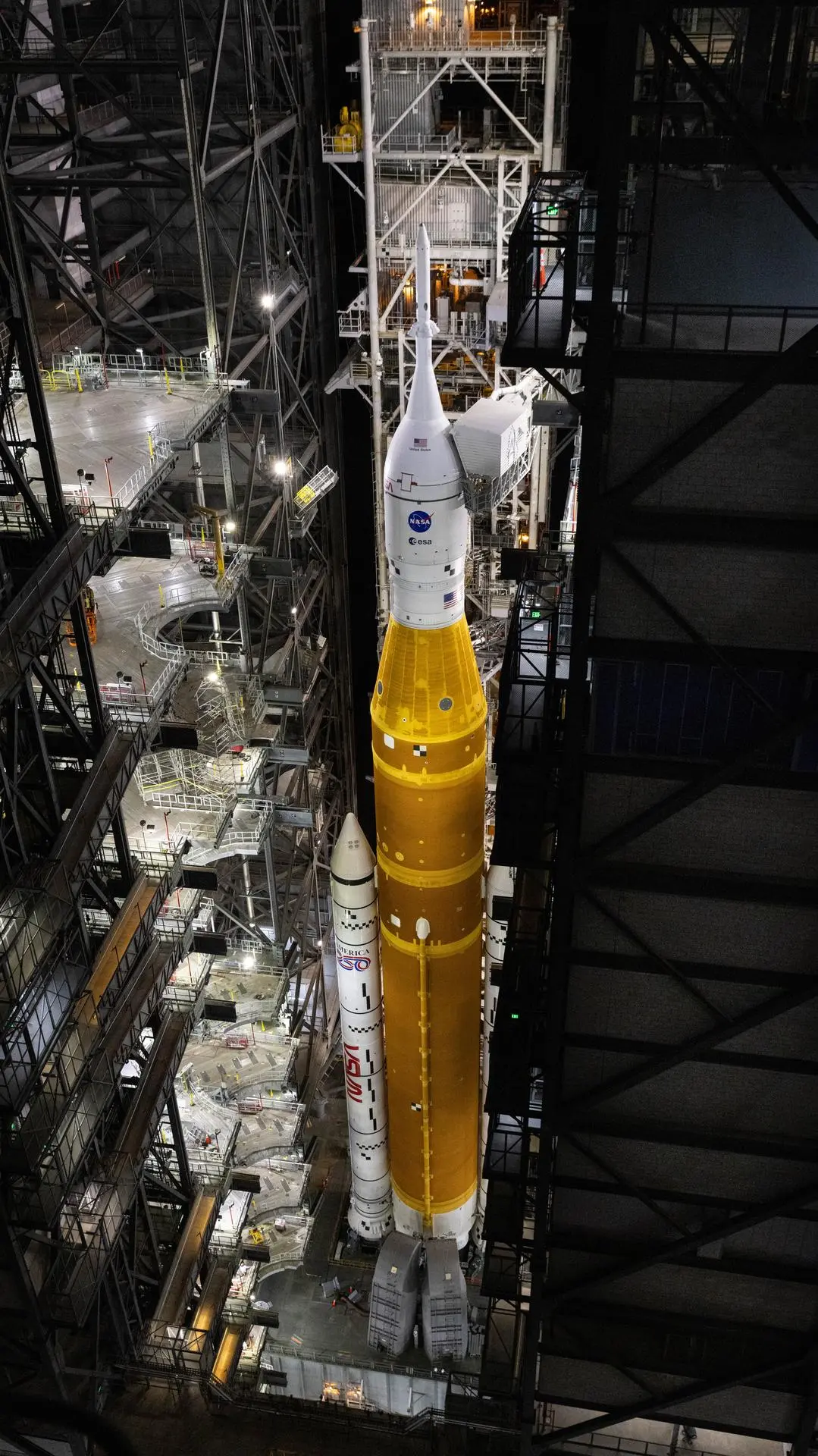
NASA on Wednesday was rolling its towering Moon rocket back to its hangar for repairs, after windows for liftoff were pushed back over technical issues.
The US space agency said it would roll its 322-foot (98-meter) SLS rocket off the launchpad in Cape Canaveral, Florida after teams detected issues with helium flow.
The decision means further delays for the highly anticipated Artemis 2 m
Reported and summarised by SpaceDaily. Opens in a new tab.
Cape Canaveral (AFP) Feb 27, 2026
NASA on Friday abruptly said it was shaking up its Artemis lunar program that has suffered multiple delays in recent years, a bid to ensure Americans can return to the Moon's surface by 2028.
That goal remains unchanged, but the US space agency is shifting its flight lineup to include a test mission before an eventual lunar landing to improve launch "muscle memory," NASA administrator Jared
Reported and summarised by SpaceDaily. Opens in a new tab.
New York (AFP) Feb 25, 2026
The astronaut who faced a health issue prompting the first-ever medical evacuation in International Space Station history is "doing very well," he said in a statement issued by NASA on Wednesday.
Mike Fincke, 58, said he's "doing very well and continuing standard post-flight reconditioning" at NASA's center in Houston.
NASA had previously declined to identify which astronaut experienced
Reported and summarised by SpaceDaily. Opens in a new tab.
Chinese launch firm CAS Space is preparing for the inaugural launch of its reusable Kinetica-2 liquid rocket in late March, carrying a prototype cargo spacecraft.
The post CAS Space to launch Kinetica-2 in late March carrying prototype cargo spacecraft appeared first on SpaceNews.
Reported and summarised by SpaceNews. Opens in a new tab.
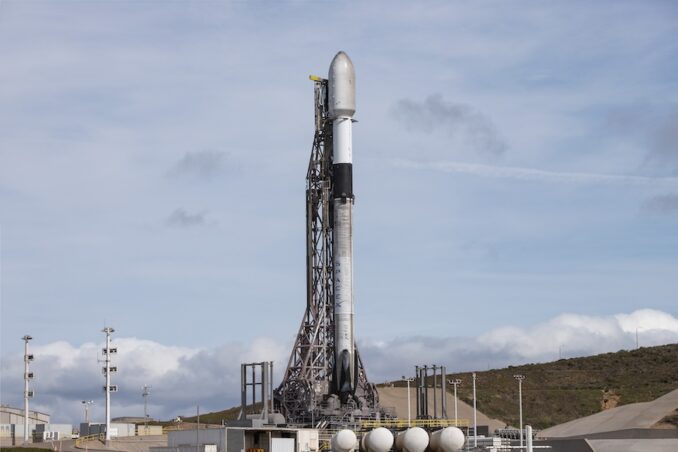
Liftoff from Space Launch Complex 4 East is scheduled for 1:55:50 a.m. PST (4:55:50 a.m. EST / 0955:50 UTC). The rocket will take southerly trajectory on departure from the launch site in central California.
Reported and summarised by Spaceflight Now. Opens in a new tab.
Intuitive Machines raised $175 million in a stock sale Feb. 25 and plans to use the proceeds to help build out a deep space communications network.
The post Intuitive Machines raises $175 million in stock sale appeared first on SpaceNews.
Reported and summarised by SpaceNews. Opens in a new tab.
On February 27th, 2026, Rocket Lab launched the “That’s Not A Knife” mission from Wallops Island, Virginia, carrying a hypersonic test vehicle for the Defense Innovation Unit.
Reported and summarised by Space Scout. Opens in a new tab.
NASA has about three weeks to complete repairs to the Space Launch System’s upper stage to make the next launch window for the Artemis 2 mission in early April.
The post NASA on ‘aggressive’ schedule to complete SLS repairs for April launch appeared first on SpaceNews.
Reported and summarised by SpaceNews. Opens in a new tab.
Firefly Aerospace is returning its Alpha launch vehicle to flight after a nearly 10-month stand…
The post Firefly Alpha FLTA007 “Stairway to Seven” set for launch from California coast appeared first on NASASpaceFlight.com.
Reported and summarised by NASASpaceflight. Opens in a new tab.
NASA Administrator Jared Isaacman revealed a reconfigured plan for the Artemis program today that increases the cadence of launches and adds an earth-orbit test flight before a lunar surface return. […]
Reported and summarised by SpacePolicyOnline.com. Opens in a new tab.
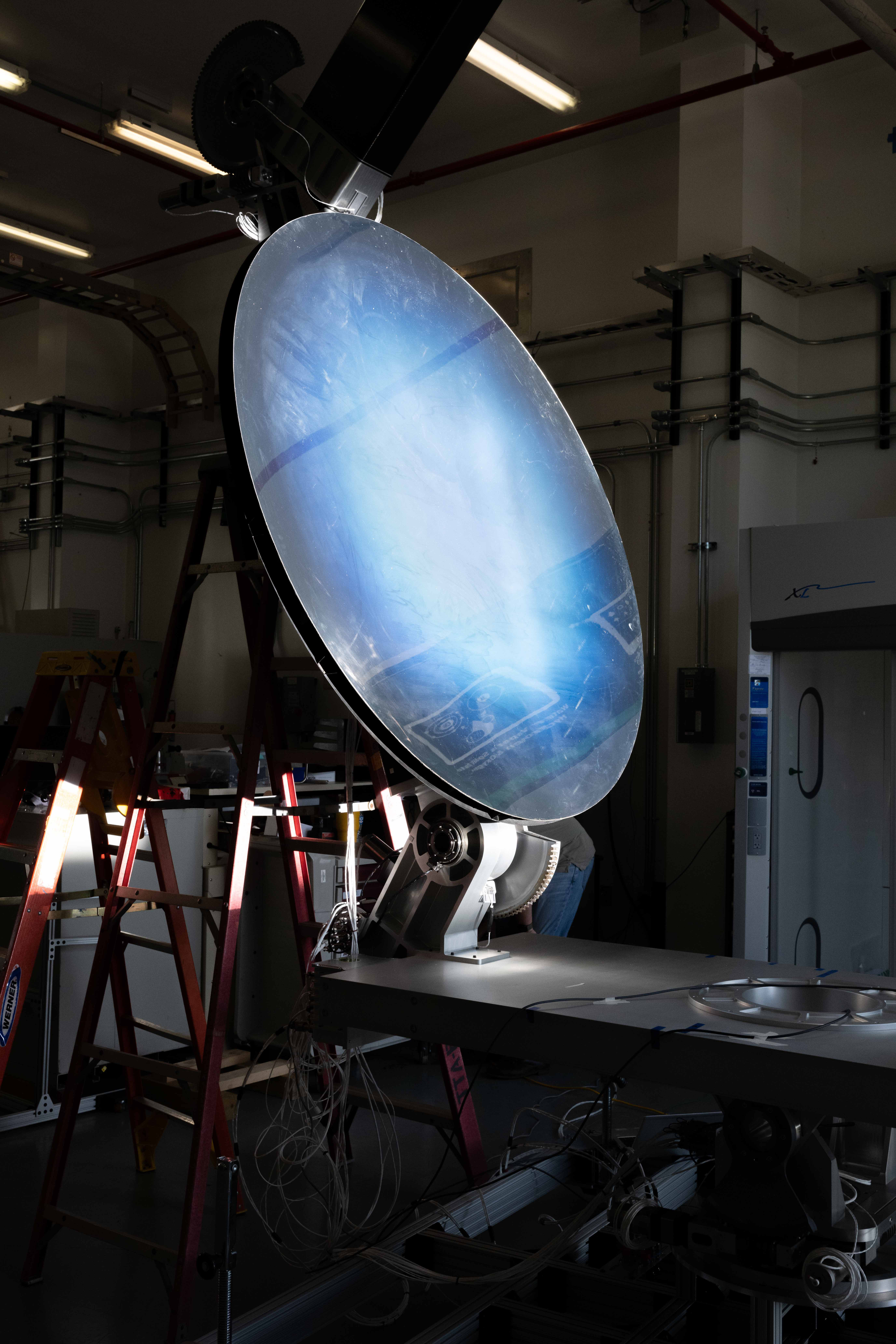
Light shines onto a solar concentrator being tested in this Aug. 7, 2025, photo. The concentrator is part of the Carbothermal Reduction Demonstration (CaRD) project, which aims to produce oxygen from simulated lunar regolith for use at the Moon’s south pole. For this test, the team integrated the solar concentrator, mirrors, and software and confirmed […]
Reported and summarised by NASA. Opens in a new tab.
New NASA Administrator Jared Isaacman announced a major overhaul of the agency's Artemis moon program Friday, acknowledging that the agency's plan to land astronauts on the moon in 2028 was not realistic without another preparatory mission first to lay the groundwork.
Reported and summarised by Spaceflight Now. Opens in a new tab.
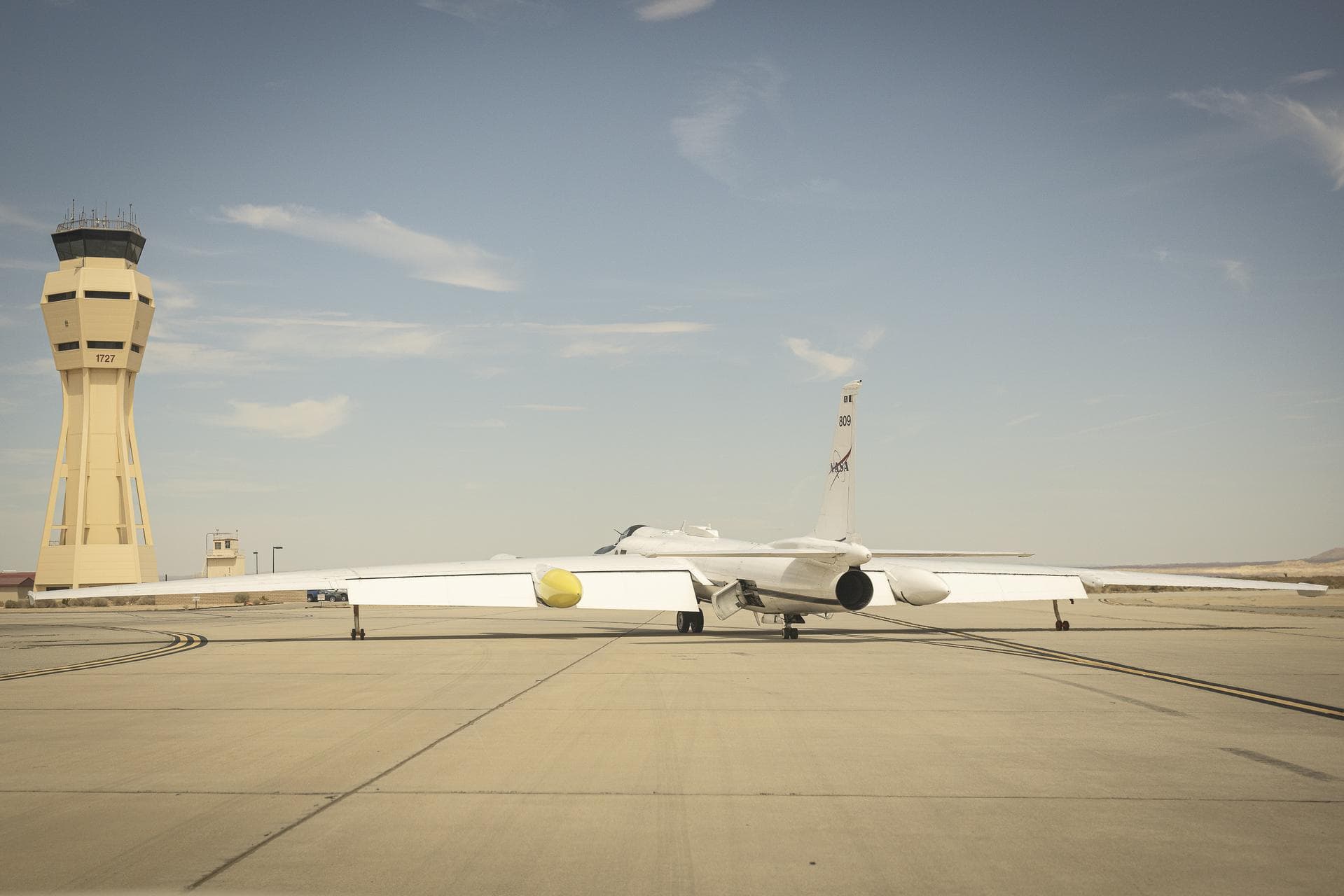
Nestled in the Mojave Desert, NASA’s Armstrong Flight Research Center in Edwards, California, pushes the boundaries of flight to advance the agency’s aeronautics mission. This is where Chuck Yeager broke the sound barrier and engineers are now pioneering the future of high-speed, autonomous, and electrified aircraft. Armstrong contributes to NASA’s broader mission of innovation and […]
Reported and summarised by NASA. Opens in a new tab.
After spending a few months in Mega Bay 2 fully stacked, Ship 39 – the…
The post Flight 12: Ship 39 rolls out to Masseys to begin testing appeared first on NASASpaceFlight.com.
Reported and summarised by NASASpaceflight. Opens in a new tab.
As part of a Golden Age of exploration and discovery, NASA announced Friday the agency is increasing its cadence of missions under the Artemis program to achieve the national objective of returning American astronauts to the Moon and establishing an enduring presence. This includes standardizing vehicle configuration, adding an additional mission in 2027, and undertaking at least one surface […]
Reported and summarised by NASA. Opens in a new tab.
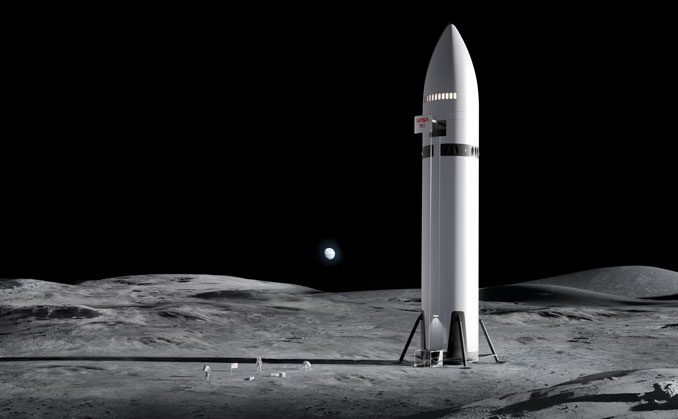
NASA announced major changes to its Artemis lunar architecture, adding a test flight of lunar landers in low Earth orbit while canceling planned upgrades to the Space Launch System.
The post NASA revises plans for future Artemis missions, cancels upgrades to SLS appeared first on SpaceNews.
Reported and summarised by SpaceNews. Opens in a new tab.
"Launching SLS every three and a half years or so is not a recipe for success."
Reported and summarised by Arstechnica. Opens in a new tab.
COMMS UPLINK
SYS-07/MAIL
STANDING BY
One dispatch a week: what flew, what slipped, and anything worth setting an alarm for.
Written by a person, sent from the same console that runs this site.
No spam. We never sell the list. Unsubscribe from any email.
Feed documentation
DOC-NEWS
REFERENCE
Where does this space news come from?
Every story on the Delta-V news feed is written and published by an outside outlet — SpaceNews, NASASpaceflight, Space.com, ESA, Ars Technica and dozens more — and reaches the page through the Spaceflight News API. Delta-V displays the publisher's own headline, thumbnail and summary, then links straight to their site. Delta-V does not host, rewrite or republish article text.
How often is the spaceflight news feed updated?
The feed is re-fetched every thirty minutes and always ordered newest first, so a story normally appears on Delta-V within an hour of the publisher posting it. Each card shows how long ago its story was filed, and hovering the timestamp gives the exact publication time in UTC.
Can I filter space news by outlet or search for a topic?
Yes. The source chips above the feed narrow it to a single outlet, and the search box matches text in headlines and summaries. Both controls write to the URL — /news?source=SpaceNews or /news?q=starship — so a filtered feed can be bookmarked, shared or reopened from browser history.
Do these articles open on Delta-V or on the publisher's site?
Every headline opens the publisher's own page in a new tab. Delta-V is an index, not a mirror: the reporting, the images and the ad revenue belong to the outlet that produced the story.
Where do I find launch dates rather than news?
Launch schedules live on the Delta-V launch pages, which carry a live countdown, pad, vehicle and mission detail for every upcoming orbital flight. The news feed covers reporting about spaceflight; the launch schedule covers the flights themselves.
Between headlines: Delta-V is a gravity-flight sim about the orbital mechanics behind them — free on Android.GET IT ON GOOGLE PLAY — FREE
Aggregation and metadata via the Spaceflight News API. Copyright in every headline, image and summary remains with the publishing outlet.