Page 113 of the Delta-V spaceflight news feed opens with “NASA’s Roman Observatory Passes Final Major Prelaunch Tests”, published by NASA 5 months ago. Delta-V aggregates spaceflight news from 9 outlets including Arstechnica, ESA, European Spaceflight through the Spaceflight News API, ordered newest first and refreshed every thirty minutes, with every headline linking out to the outlet that reported it. This view holds 35,911 stories.
Nothing here is written by Delta-V. Each card carries the publisher's own headline, their own summary and a link out to their site — attribution stays attached, and the click goes to the people who did the reporting.
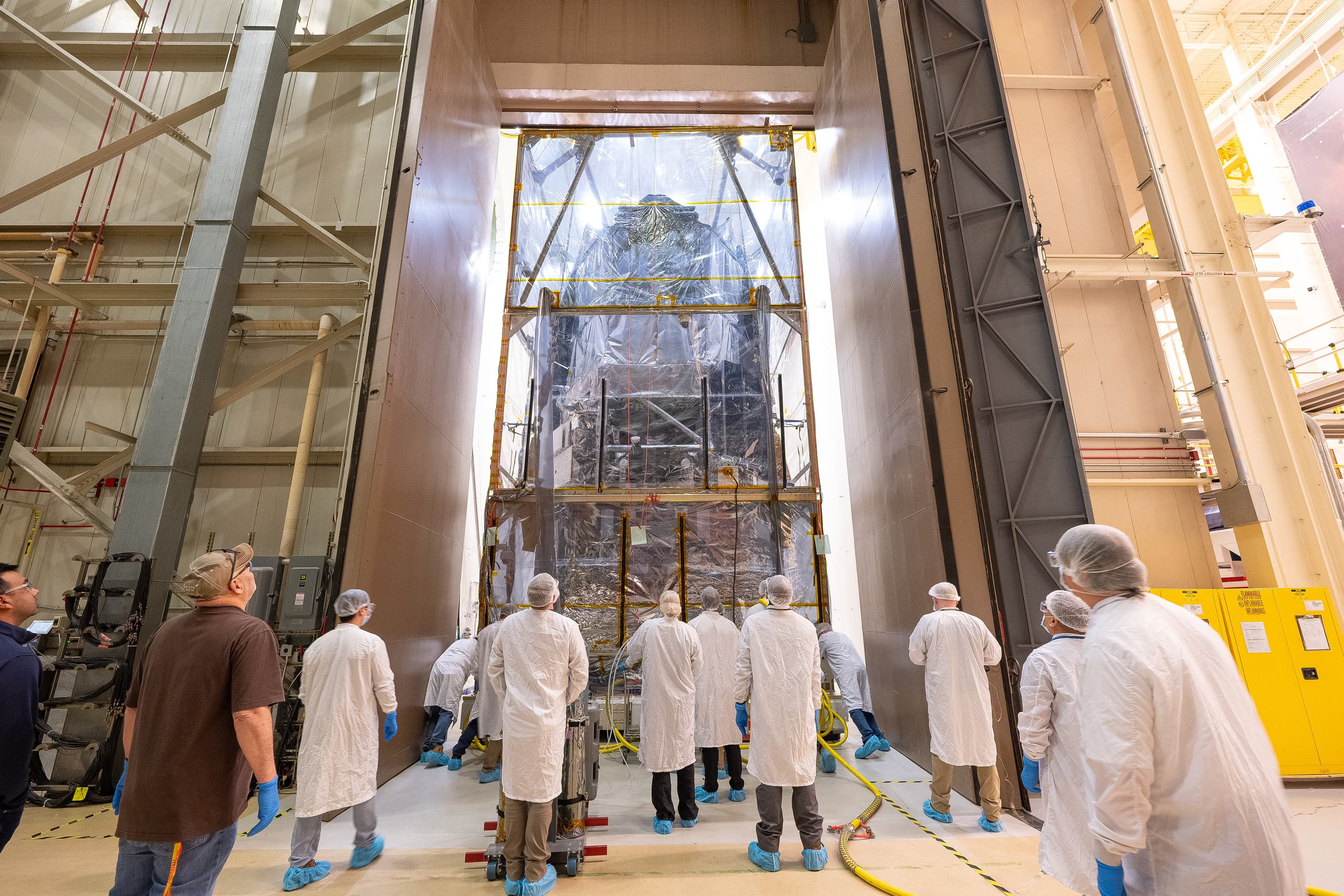
NASA’s Nancy Grace Roman Space Telescope team recently blasted the observatory with extreme sound, shook it, and listened to its electronic hum. Roman passed all three assessments, which aimed to confirm that the observatory will withstand launch conditions and function as expected in space. The achievement keeps the mission on track for launch as early […]
Reported and summarised by NASA. Opens in a new tab.
NASA is proposing a sharp increase in the rate of robotic lunar lander missions, a move that has excited but also puzzled the space community.
The post NASA considering sharp increase in robotic lunar landings appeared first on SpaceNews.
Reported and summarised by SpaceNews. Opens in a new tab.
Finnish satellite manufacturer ReOrbit has signed a contract with asset-financing company SLI for two small geostationary orbit communications satellites.
The post ReOrbit sells two small GEO satellites to SLI appeared first on SpaceNews.
Reported and summarised by SpaceNews. Opens in a new tab.
The European Space Agency, ESA, invites the industrial community to a series of events at which ESA directorates will present the follow-up to the Council Meeting at Ministerial Level 2025, CM25, held in November 2025 in Bremen, Germany.
Reported and summarised by ESA. Opens in a new tab.
Satellite manufacturer Apex has won a contract from a Japanese company to provide a spacecraft bus for a technology demonstration mission.
The post Apex sells satellite for Japanese technology demonstration mission appeared first on SpaceNews.
Reported and summarised by SpaceNews. Opens in a new tab.
The contract is for 20 hypersonic flight missions over four years
The post Rocket Lab wins $190 million Pentagon deal for hypersonic test flights appeared first on SpaceNews.
Reported and summarised by SpaceNews. Opens in a new tab.
Maj. Gen. Keener: The exercise will help Space Command ‘better understand commercial challenges, requirements, and how we can better work together’
The post Space Command classified wargame to include 25 commercial players appeared first on SpaceNews.
Reported and summarised by SpaceNews. Opens in a new tab.
The Starlink 10-33 mission is the 35th mission so far in 2026 supporting SpaceX’s low Earth orbit constellation. Liftoff from pad 40 at Cape Canaveral Space Force Station is scheduled for 6:35 a.m. EDT (1035 UTC).
Reported and summarised by Spaceflight Now. Opens in a new tab.
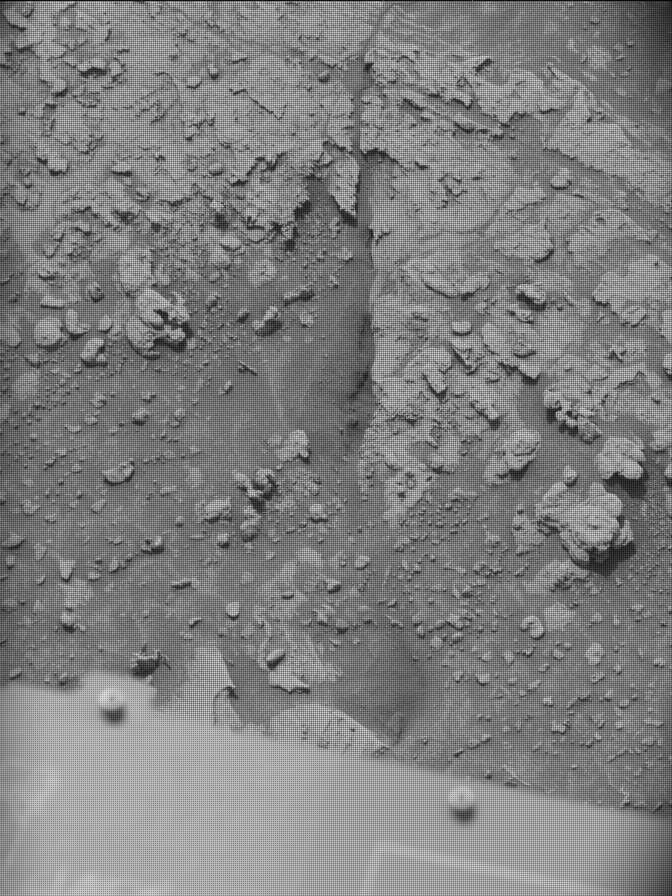
Written by Catherine O’Connell-Cooper, APXS Strategic Planner and Payload Uplink/Downlink Lead, University of New Brunswick, Canada Earth planning date: Friday, March 13, 2026 We are in our final phase of the boxwork campaign, investigating the contacts between the boxwork unit and the layered sulfate unit. As my colleague Bill reported here, last week we crossed […]
Reported and summarised by NASA. Opens in a new tab.
Starship Flight 12 took another step toward launch, with Booster 19 completing an initial test…
The post Booster 19 concludes initial test campaign on Pad 2 appeared first on NASASpaceFlight.com.
Reported and summarised by NASASpaceflight. Opens in a new tab.
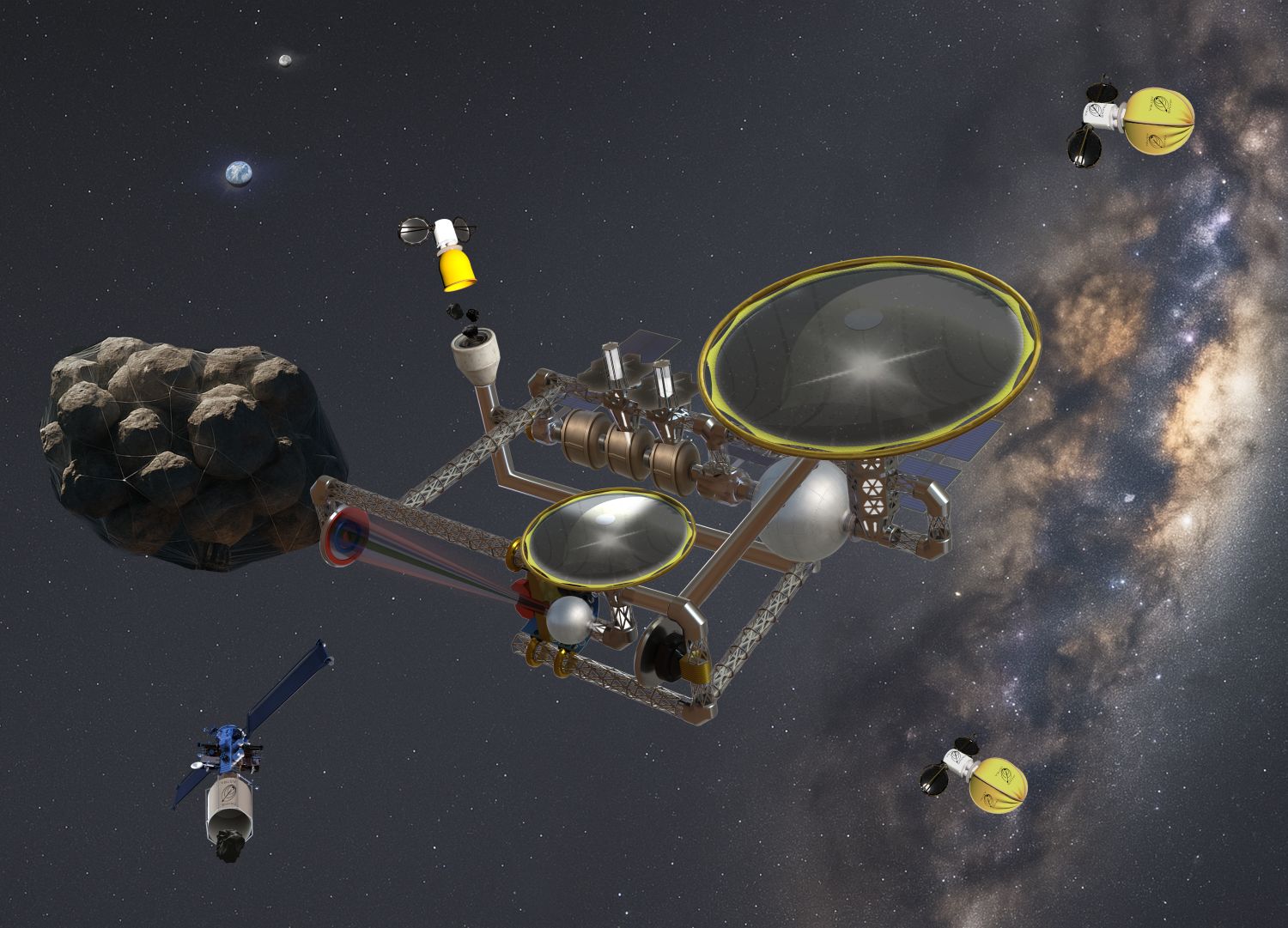
SAN FRANCISCO — TransAstra is performing a study, funded by investors and customers, to explore the technical feasibility of moving a 100-metric-ton asteroid to a stable near-Earth orbit. “We want to bring an asteroid to the Earth-moon system and turn it into a robotic research outpost for materials processing and manufacturing in space,” Joel Sercel, […]
The post TransAstra aims to move 100-ton asteroid to stable orbit for processing appeared first on SpaceNews.
Reported and summarised by SpaceNews. Opens in a new tab.
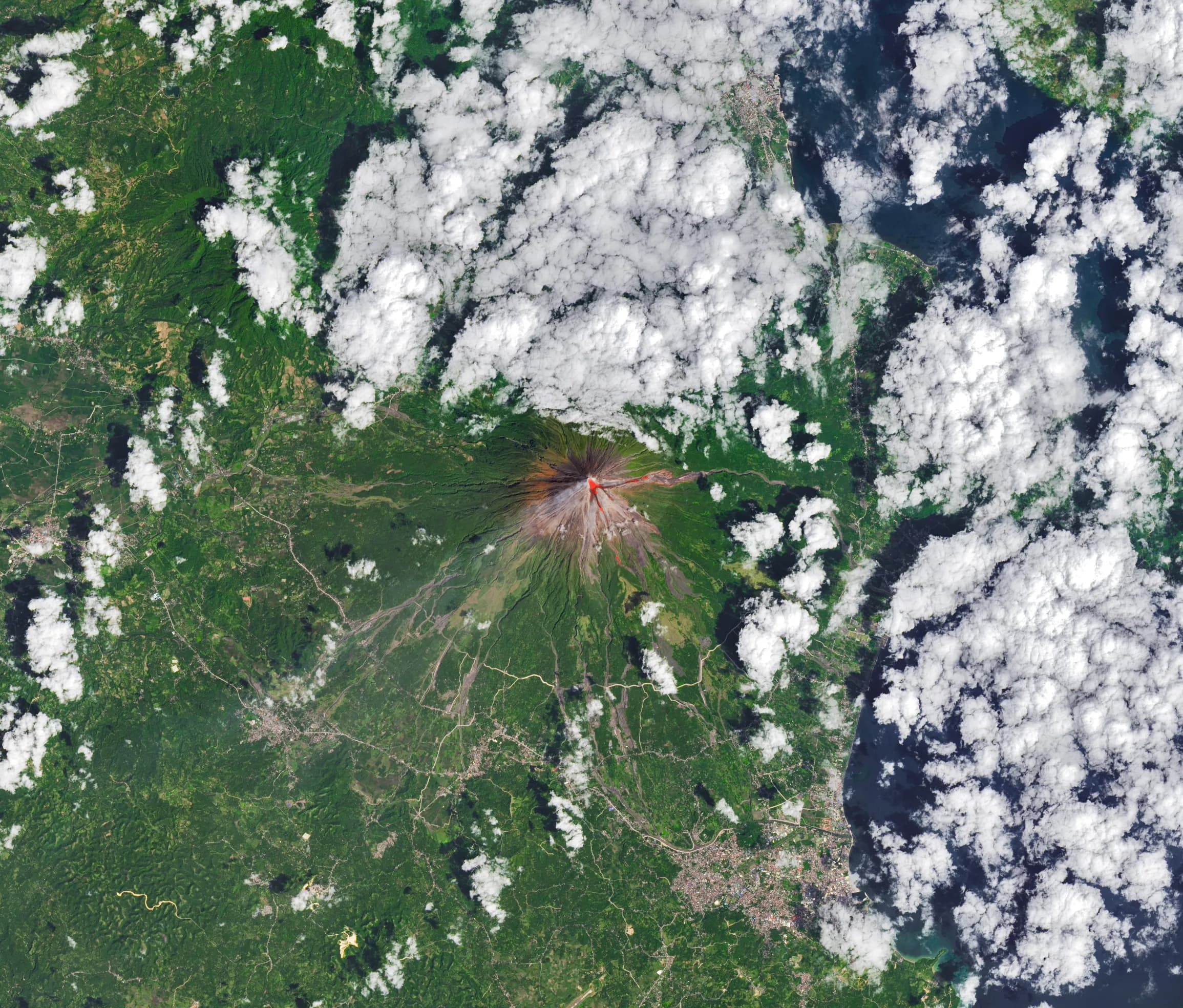
The OLI (Operational Land Imager) on Landsat 8 acquired this rare, relatively clear image of Mayon, the most active volcano in the Philippines, on Feb. 26, 2026. The natural-color scene is overlaid with infrared observations to highlight the lava’s heat signature. On that day, the Philippine Institute of Volcanology and Seismology (PHIVOLCS) reported volcanic earthquakes, rockfalls, and hot clouds of ash […]
Reported and summarised by NASA. Opens in a new tab.
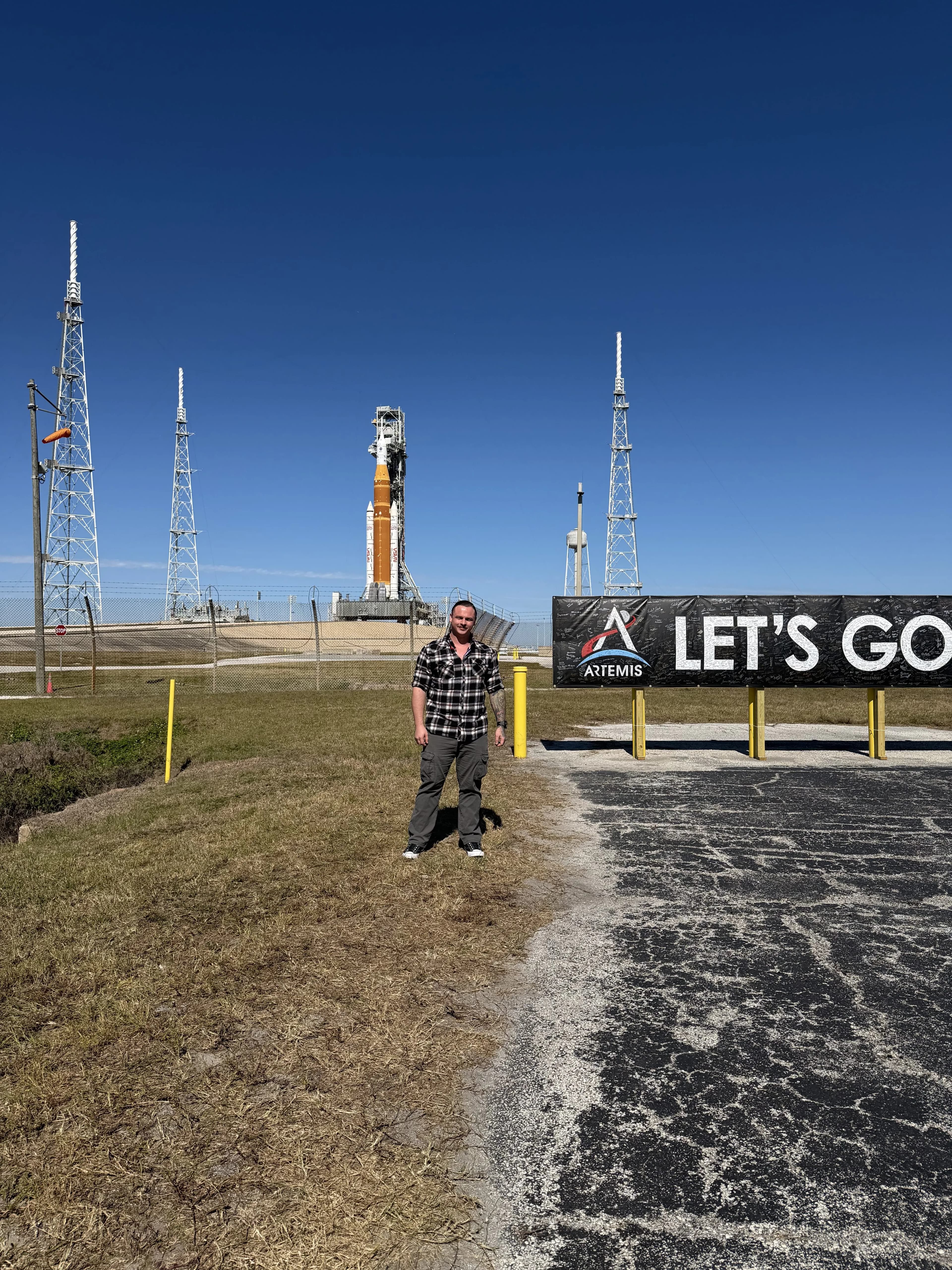
For Corey Elmore, the path to NASA’s Kennedy Space Center did not begin in engineering. It began in service. Today he serves as a NASA Pathways engineering intern in the Technical Processes and Tools Branch (KSC-NE-TA) at Kennedy Space Center. Through the Pathways program, he is gaining hands-on experience supporting the engineering environments, technical tools […]
Reported and summarised by NASA. Opens in a new tab.
South Korea’s plans for a national security constellation are coming into sharper focus after a March 18 solar array supply deal set the stage for a first demonstrator as early as the second half of 2027.
The post Solar array deal sheds more light on South Korea’s defense constellation appeared first on SpaceNews.
Reported and summarised by SpaceNews. Opens in a new tab.
The European Space Agency (ESA) plans to provide a financial incentive to companies awarded Phase 2 contracts under its LEO Cargo Return Services initiative to use European launch services for their demonstration missions. Initially announced in May 2023, the LEO Cargo Return Service initiative aims to foster the development of a sovereign European space cargo […]
The post ESA to Incentivise the Use of European Launchers for LEO Cargo Return Initiative appeared first on European Spaceflight.
Reported and summarised by European Spaceflight. Opens in a new tab.
In a happy twist of fate, NASA’s Hubble Space Telescope just witnessed a comet in the act of breaking apart. The chance of that happening while Hubble watched is extraordinarily minuscule. The findings published Wednesday in the journal Icarus. The comet K1, whose full name is C/2025 K1 (ATLAS)—not to be confused with interstellar comet […]
Reported and summarised by NASA. Opens in a new tab.
Comet K1, whose full name is Comet C/2025 K1 (ATLAS), had just passed its closest approach to the Sun and was heading out of the Solar System. Though it had been intact just days before, K1 fragmented into at least four pieces while the NASA/ESA Hubble Space Telescope was watching. The odds of that happening while Hubble viewed the comet are extraordinarily miniscule.
Reported and summarised by ESA. Opens in a new tab.
At the dawn of the Space Age, then President-elect John F. Kennedy spoke to the American people of “a new frontier” of unknown opportunities and perils, unfulfilled hopes and unfilled threats, uncharted science and unsolved problems. Six years later, Star Trek expanded on President Kennedy’s new frontier premise with tales of the starship Enterprise boldly […]
The post Frontier justice: navigating the future legal landscape for private actors in space law appeared first on SpaceNews.
Reported and summarised by SpaceNews. Opens in a new tab.
China has identified a new target near-Earth asteroid for its first planetary defense kinetic test mission, which is scheduled to launch in December 2027.
The post China signals new target for 2027 asteroid deflection test appeared first on SpaceNews.
Reported and summarised by SpaceNews. Opens in a new tab.
NASA’s planetary science program, while spared steep cuts proposed last year, is still facing a funding shortfall that requires “strategic choices” about which missions to continue.
The post NASA grappling with planetary science funding shortfall appeared first on SpaceNews.
Reported and summarised by SpaceNews. Opens in a new tab.
Reported and summarised by ESA. Opens in a new tab.
COMMS UPLINK
SYS-07/MAIL
STANDING BY
One dispatch a week: what flew, what slipped, and anything worth setting an alarm for.
Written by a person, sent from the same console that runs this site.
No spam. We never sell the list. Unsubscribe from any email.
Feed documentation
DOC-NEWS
REFERENCE
Where does this space news come from?
Every story on the Delta-V news feed is written and published by an outside outlet — SpaceNews, NASASpaceflight, Space.com, ESA, Ars Technica and dozens more — and reaches the page through the Spaceflight News API. Delta-V displays the publisher's own headline, thumbnail and summary, then links straight to their site. Delta-V does not host, rewrite or republish article text.
How often is the spaceflight news feed updated?
The feed is re-fetched every thirty minutes and always ordered newest first, so a story normally appears on Delta-V within an hour of the publisher posting it. Each card shows how long ago its story was filed, and hovering the timestamp gives the exact publication time in UTC.
Can I filter space news by outlet or search for a topic?
Yes. The source chips above the feed narrow it to a single outlet, and the search box matches text in headlines and summaries. Both controls write to the URL — /news?source=SpaceNews or /news?q=starship — so a filtered feed can be bookmarked, shared or reopened from browser history.
Do these articles open on Delta-V or on the publisher's site?
Every headline opens the publisher's own page in a new tab. Delta-V is an index, not a mirror: the reporting, the images and the ad revenue belong to the outlet that produced the story.
Where do I find launch dates rather than news?
Launch schedules live on the Delta-V launch pages, which carry a live countdown, pad, vehicle and mission detail for every upcoming orbital flight. The news feed covers reporting about spaceflight; the launch schedule covers the flights themselves.
Between headlines: Delta-V is a gravity-flight sim about the orbital mechanics behind them — free on Android.GET IT ON GOOGLE PLAY — FREE
Aggregation and metadata via the Spaceflight News API. Copyright in every headline, image and summary remains with the publishing outlet.